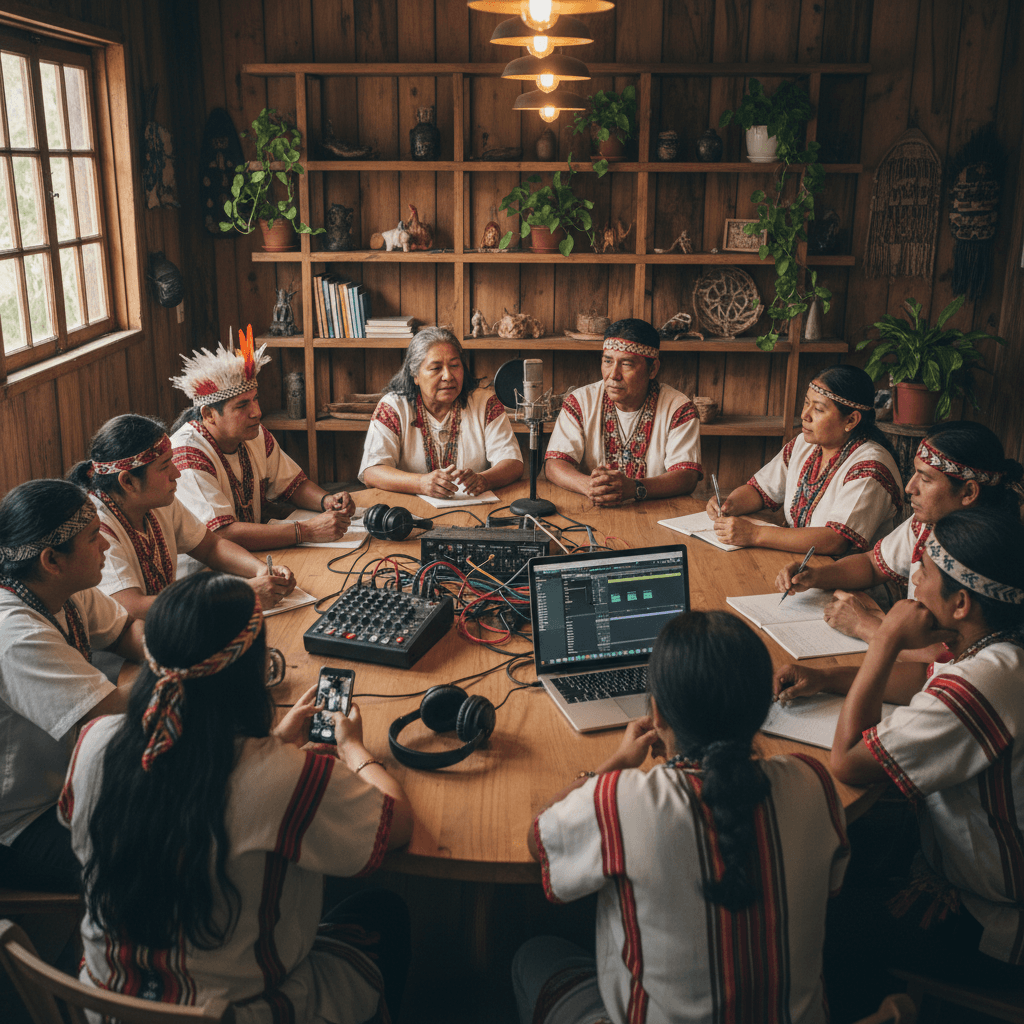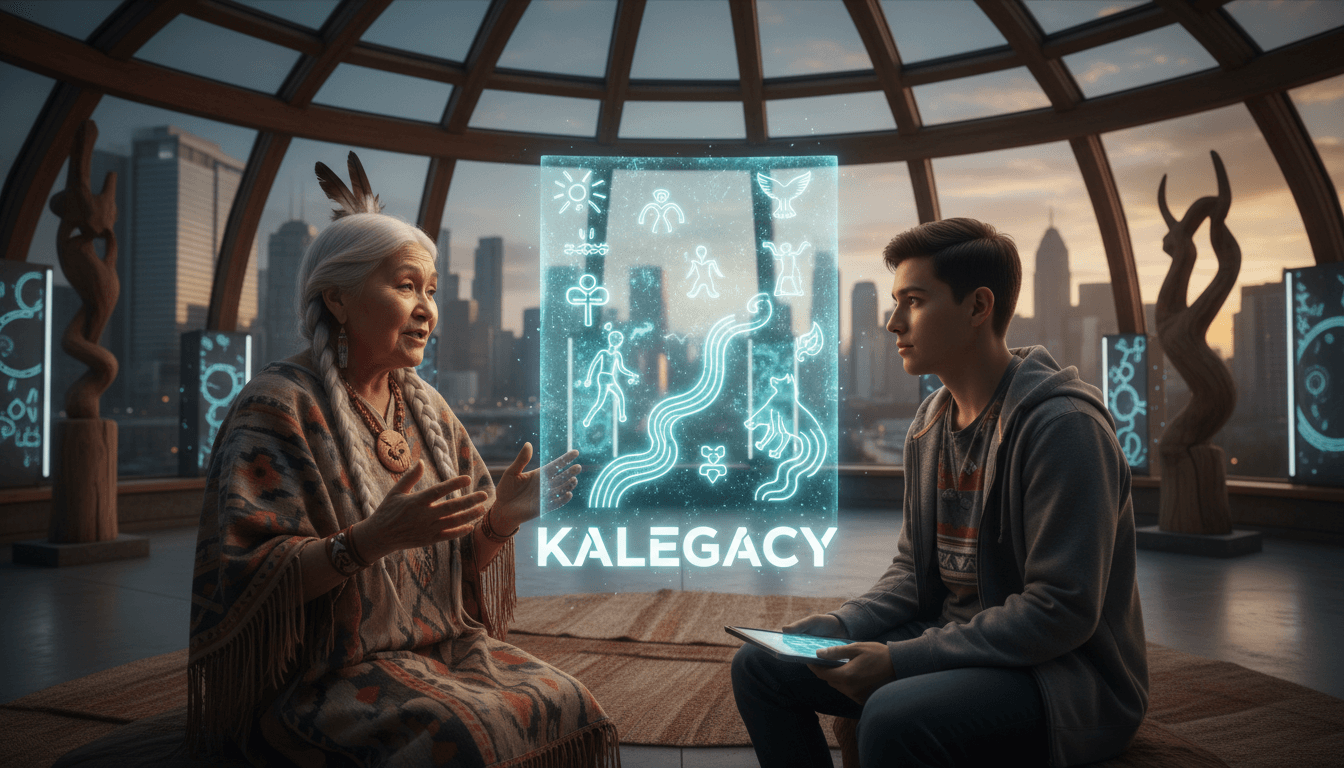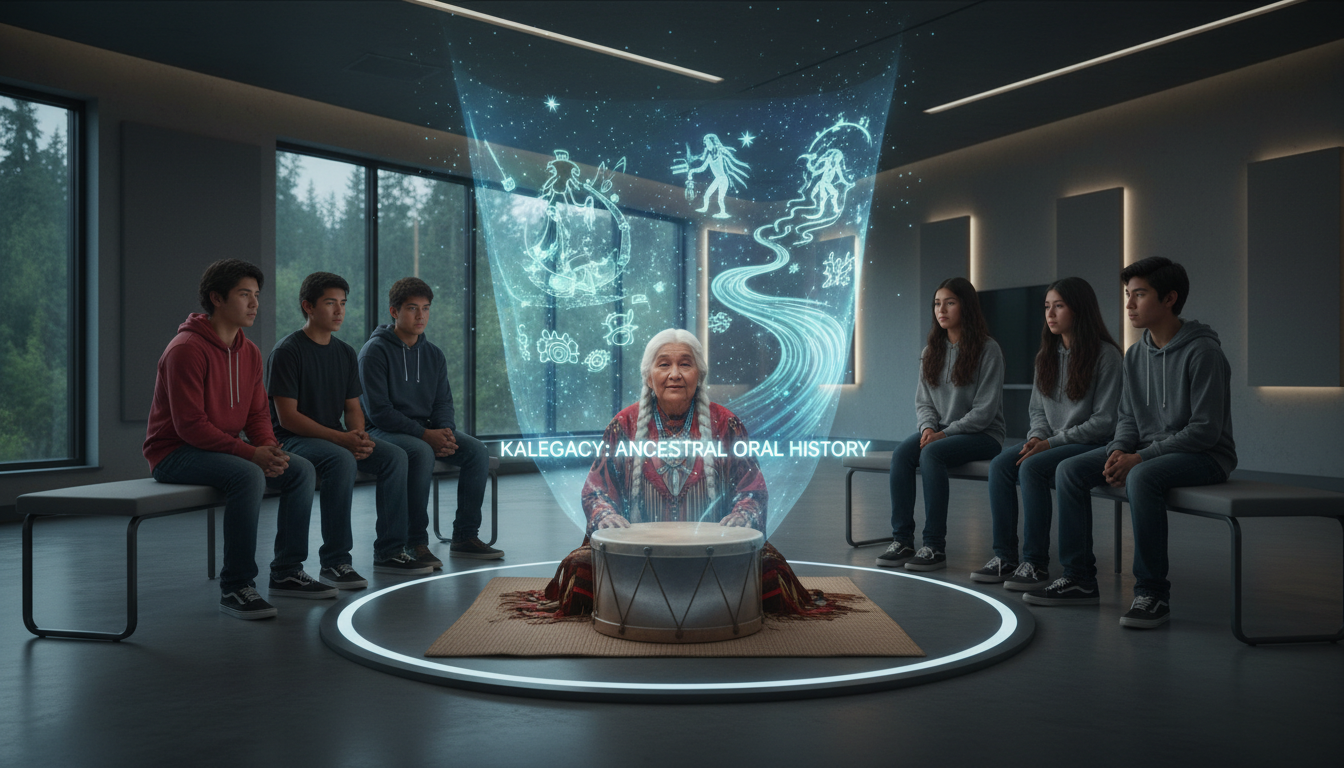
AI indigenous language preservation uses machine learning to digitize historical records, reconstruct endangered dialects, and develop personalized learning tools. These technological advancements empower communities to safeguard their cultural heritage; meanwhile, they provide the necessary infrastructure to ensure rare languages thrive within the modern digital landscape.
Every fourteen days, a language dies, taking with it centuries of localized knowledge and cultural identity. For indigenous communities, the digital divide is not just about internet access; it is a systemic exclusion from the tools that define modern communication. Traditional language models require massive datasets that endangered dialects simply do not have, leaving these rich heritages to fade into silence. This linguistic erosion threatens our collective history and the structural diversity of human thought. In this article, we examine how machine learning bridges this gap by decoding low resource languages and revitalizing dialects within the Philippine context. We will detail the practical application of AI in archiving, the importance of community data sovereignty, and Kalegacy’s strategic framework for transforming static records into living assets. Discover how we can leverage technology to protect the voices that are most at risk.
The Silent Crisis of Linguistic Extinction
Every fourteen days, a unique way of understanding the world disappears. UNESCO estimates that one indigenous language goes extinct every two weeks, a rate of loss that threatens to silence thousands of years of human history. According to data from Ethnologue, approximately 40 percent of the world's 7,000 languages are currently at risk. This is not merely a linguistic shift; it is a global emergency that impacts our collective knowledge base and historical record.
A significant factor in this decline is the widening digital divide. While the world races toward an AI-driven future, most large language models are trained on fewer than 100 dominant languages. This creates a technological feedback loop where low resource languages are excluded from modern communication tools, further isolating the communities that speak them and accelerating their erasure from the global stage.
Kalegacy views this crisis as a loss of critical survival skills rather than just a loss of words. When a dialect fades, the specific ecological insights and ancestral wisdom it contains vanish as well. We believe that indigenous language preservation through AI is about more than archiving grammar; it is about maintaining a cultural legacy platform for future generations. By digitizing oral histories, we ensure that the intellectual property and survival strategies of indigenous communities are not just remembered, but integrated into the modern educational landscape.
How Machine Learning Decodes Low Resource Languages
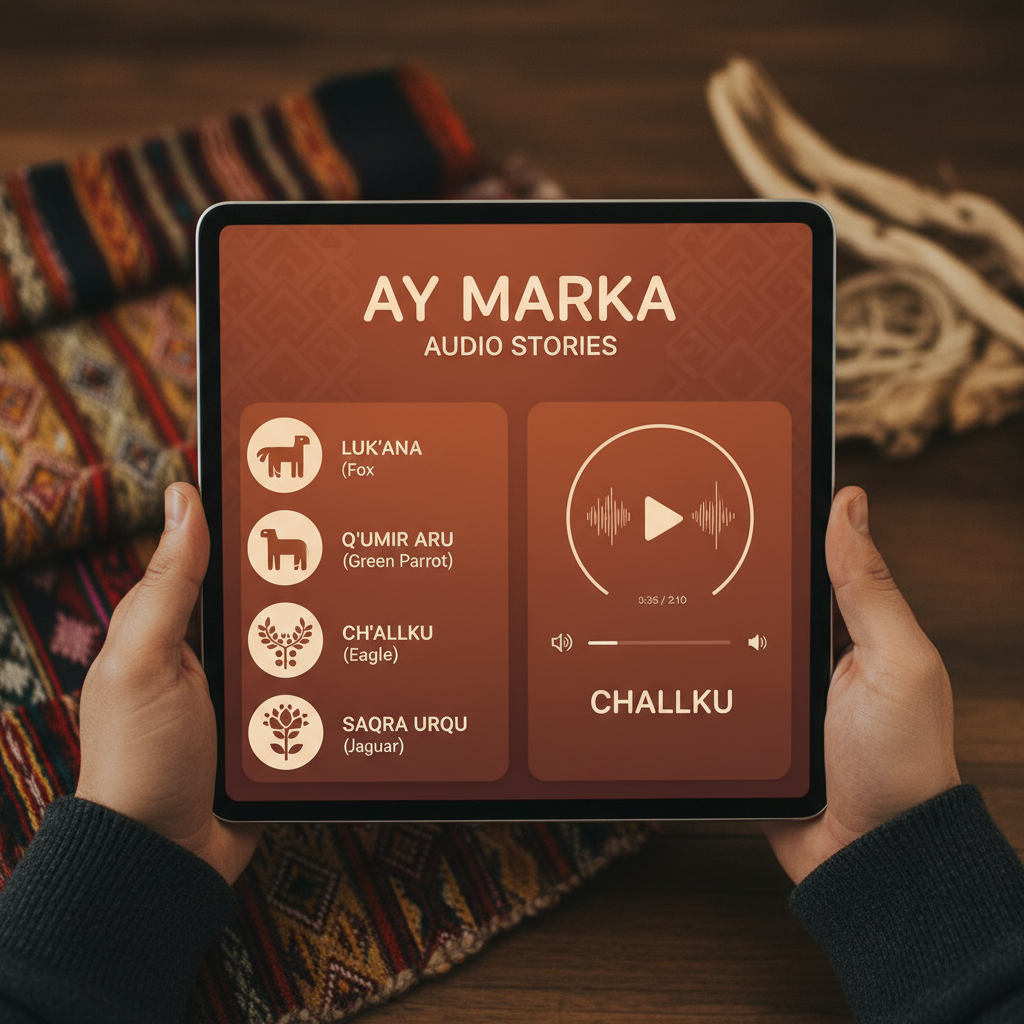
Traditional machine learning models are data-hungry, often requiring millions of translated sentences to achieve fluency. This requirement creates a significant barrier for indigenous dialects, which are technically classified as low resource languages because they lack extensive written records or digitized corpora. To solve this, indigenous language preservation through AI relies on two primary pillars: Automatic Speech Recognition (ASR) and Natural Language Processing (NLP). ASR acts as a digital ear, converting the nuances of spoken phonetics into text; NLP serves as the analytical brain, mapping out the underlying grammar and semantics to make the language searchable and functional.
The technical breakthrough lies in how modern generative models, such as Meta’s No Language Left Behind initiative, handle these data gaps. Rather than starting from scratch, these models use transfer learning to apply linguistic patterns from dominant languages to rarer ones. This process, known as fine-tuning, requires far less data than previous generations of technology. The NüshuRescue project serves as a definitive proof of concept for this approach. By using just 35 sentence pairs, researchers were able to train GPT-4 to translate and expand the database of the rare Nüshu script from southern China.
This high-efficiency modeling is transformative for a cultural legacy platform. It means that even with a handful of recorded interviews or a single transcribed story, we can begin digitizing oral histories with high accuracy. This allows for the rapid creation of educational materials and translation tools, ensuring that the lack of a written past does not prevent a language from having a digital future.
The Philippine Context: Revitalizing Mindanao and Beyond
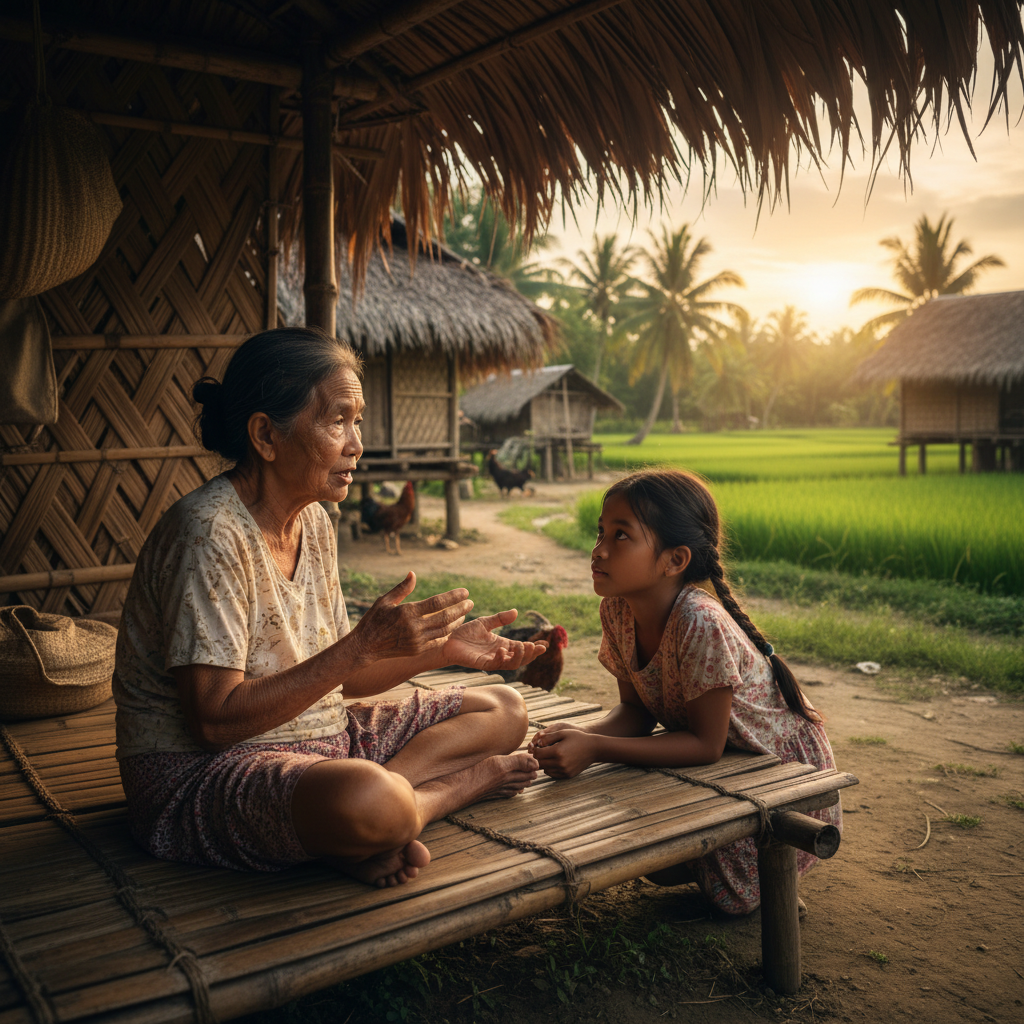
This technological potential finds critical application in the Philippines, a nation where linguistic diversity is woven into the geography of over 7,000 islands. In Mindanao, academic institutions like the University of the Immaculate Conception (UIC) are leading efforts to document endangered dialects, recognizing that these languages are the primary vessels for unique indigenous knowledge systems. Initiatives like Bisaya 2.0 further demonstrate the momentum to modernize regional languages, ensuring they remain functional and prominent in a digital first world.
In the Philippine context, indigenous language preservation through AI is inextricably linked to the protection of ancestral domains. For many indigenous communities, the vocabulary of the land, specifically terms for local flora, traditional medicine, and sustainable farming cycles, exists only in the native tongue. When a language is lost, the community's legal and ecological claim to their environment is weakened because the history of that territory is stored in its oral traditions. Using technology to map these linguistic nuances is a practical necessity for maintaining land rights.
By digitizing oral histories, we provide a technical framework for these communities to assert their identity against the pressures of cultural homogenization. A cultural legacy platform does more than archive; it validates the linguistic rights of the Lumad, the Mangyan, and other groups whose survival depends on the transmission of intergenerational wisdom. In this archipelago, preserving a dialect is a matter of maintaining the specific ecological blueprints required for local climate resilience and long term food security.
From Archive to Action: How Kalegacy Bridges the Gap
Passive documentation often results in digital graveyards, where recordings sit in inaccessible servers, far removed from the daily lives of the communities that produced them. Kalegacy moves beyond simple storage by transforming these records into a cultural legacy platform that functions as an active educational tool. By digitizing oral histories, we do not just store speech; we categorize the content to extract specific ecological, mathematical, and historical lessons. These insights are then integrated into core school subjects, ensuring that an elder’s knowledge of traditional irrigation or celestial navigation becomes a practical part of a modern student’s STEM curriculum.
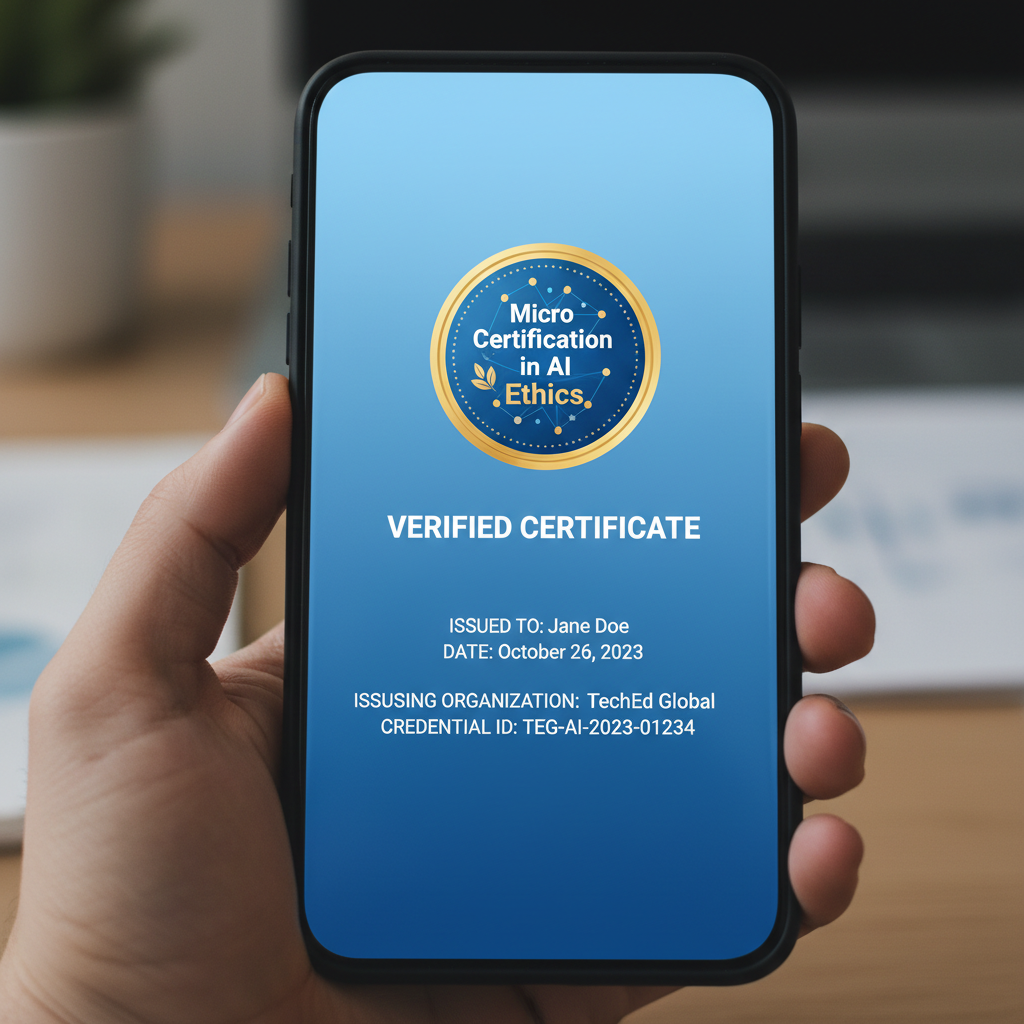
This shift from archive to action is facilitated by our unique Micro-Certification model. This system provides a structured way for indigenous knowledge holders to validate their expertise within a formal framework. Instead of treating cultural data as a static artifact, we treat it as a living credential.
Feature | Traditional Digital Archives | Kalegacy Living Archive |
|---|---|---|
Primary Goal | Preservation for researchers | Revitalization for the community |
Utility | Static audio and text files | Integrated educational modules |
Economic Benefit | None for the source community | Micro-certification & IP monetization |
Tech Role | Storage and transcription | Indigenous language preservation through AI & skill mapping |
Through these micro-certifications, community members can directly monetize their intellectual property. Rather than outside researchers extracting data for academic study, the platform empowers the community to act as the primary consultants and educators for their own heritage. This ensures the technology serves as a bridge to economic sustainability. By linking ancient wisdom with modern accreditation, we provide a tangible reason for the younger generation to engage with their native tongue; it is no longer just a link to the past, but a recognized professional asset for their future.
The Ethics of Data Sovereignty and Community Ownership
The rapid advancement of machine learning raises a critical question regarding indigenous language preservation through AI: who owns the data? Historically, indigenous knowledge has been subjected to extractive research practices where outside entities profit from cultural data without providing reciprocal benefits. This concern is magnified in the age of Big Tech, where large datasets are often scraped to train models without the consent or the awareness of the source communities. This lack of control can lead to the exploitation of sacred stories or the commercialization of ancestral wisdom without community oversight.
To combat this, practitioners like Michael Running Wolf have pioneered the "language in a box" concept; an offline AI device that ensures linguistic data remains physically and legally within the community territory. Similarly, the work of Te Hiku Media in New Zealand has established a global standard for data sovereignty by building localized speech recognition tools specifically for the Māori language. This model ensures that the community, not a distant corporation, dictates how their voice is used. These precedents are essential for establishing trust in any cultural legacy platform.
Kalegacy builds on these principles by ensuring that digitizing oral histories does not mean signing away ownership. We provide the technical infrastructure, but the intellectual property remains with the elders and their descendants. This addresses the frequently asked question: Can AI help revitalize indigenous languages? The answer is a nuanced yes, but only when built on a foundation of informed consent and local governance.
Key pillars of our community-led model include: - Localized data storage to prevent unauthorized third party access. - Community-defined access levels for sensitive cultural information. - Transparent licensing agreements that return profits to the indigenous speakers. - Technical training to ensure the community can manage their own digital assets.
Why We Must Save Dying Languages: Beyond Cultural Heritage
The preservation of dying languages is fundamentally a matter of global resilience. When a language disappears, we lose more than a set of sounds; we lose a specific metadata system for the natural world. Indigenous vocabularies often contain precise taxonomies for local flora and fauna that Western science has yet to categorize. For instance, a single indigenous term might simultaneously describe a plant's medicinal properties, its flowering cycle, and its relationship to specific pollinators. Indigenous language preservation through AI ensures these biological blueprints remain accessible for future pharmacological and ecological research.
Furthermore, the grammatical structures of these languages offer unique cognitive frameworks for understanding climate patterns and resource management. Some languages do not distinguish between the self and the environment in the same way dominant languages do, fostering a worldview centered on stewardship rather than extraction. By digitizing oral histories, we capture these survival strategies that have allowed communities to thrive in diverse ecosystems for millennia. This is the core logic behind our cultural legacy platform and its focus on global survival skills. In an era of climate instability, the traditional knowledge embedded in a low resource language might provide the exact methodology needed for sustainable land use or disaster mitigation. Saving a language is not just an act of historical reverence; it is the active protection of our collective future.
AI offers a transformative path for revitalizing indigenous languages by bridging the gap between ancient traditions and modern technology. While the potential for impact is immense, navigating the technical and ethical complexities of these projects requires a thoughtful, specialized approach. If you want expert help in bringing such a vision to life, we invite you to learn more about our mission. Our team focuses on integrating innovation with cultural purpose to ensure every voice is preserved for the generations to come.