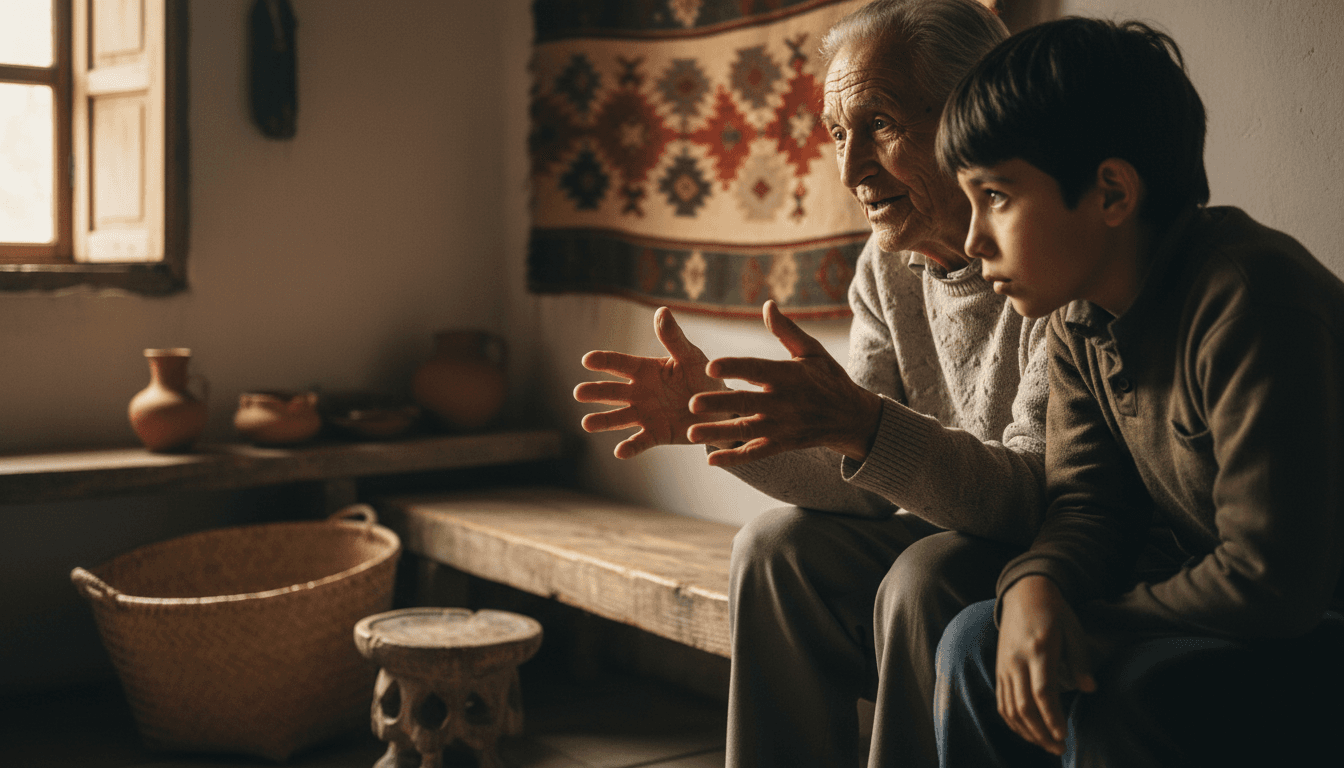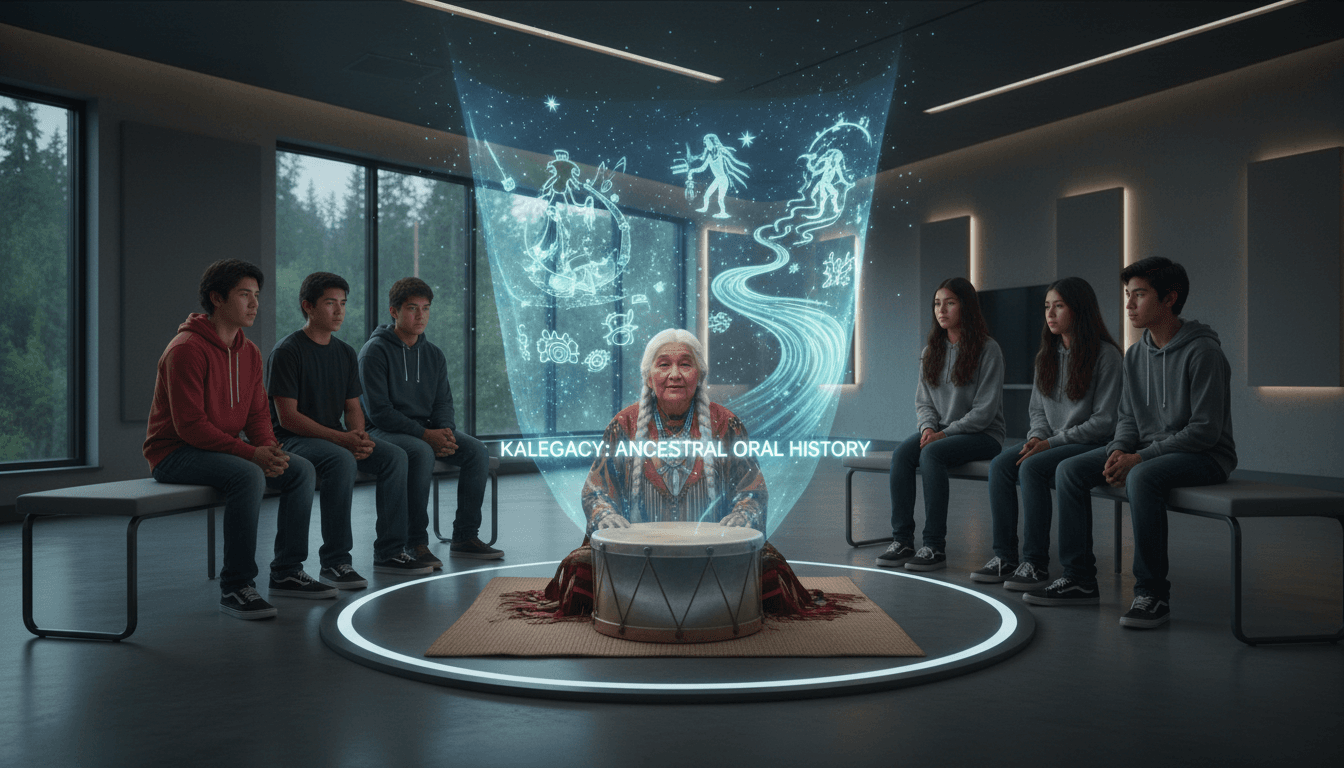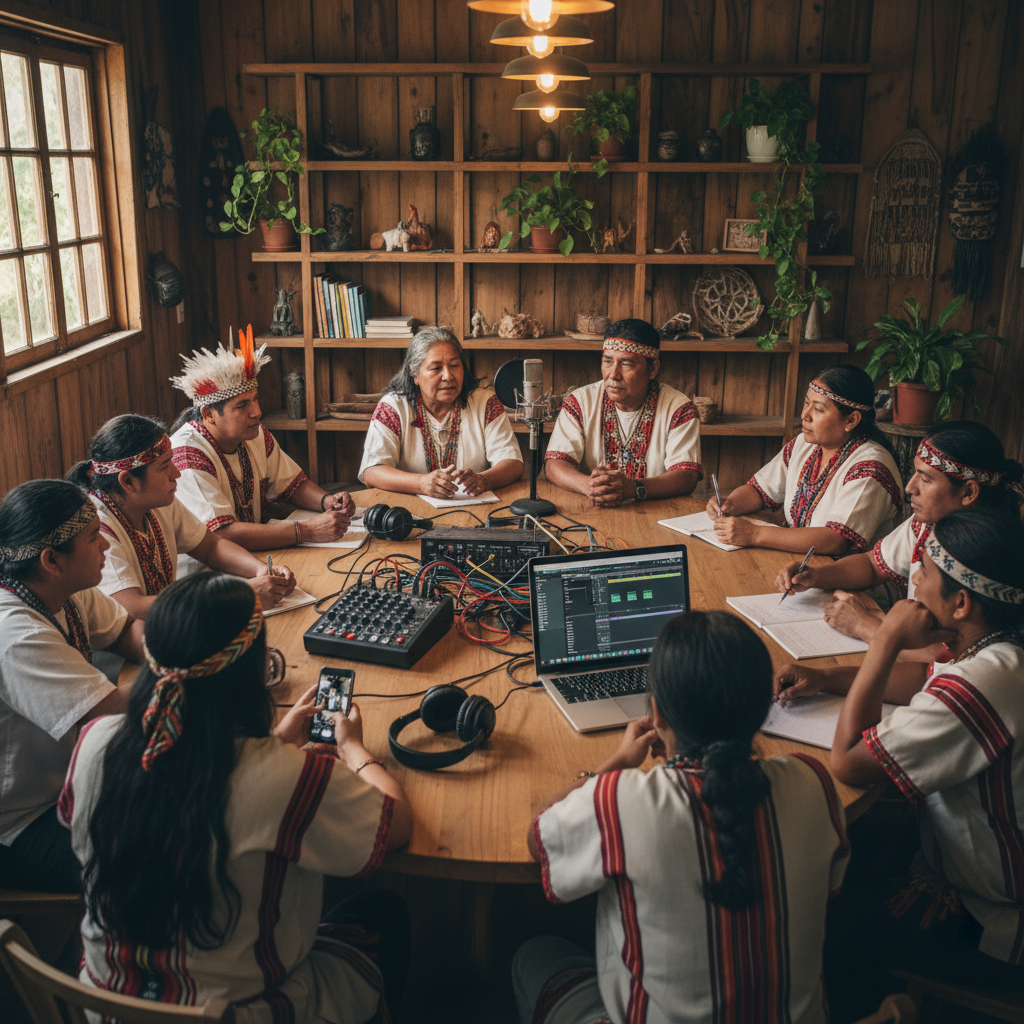
Organizations monetize indigenous knowledge micro-certifications by converting traditional skills into verified digital credentials that can be licensed to corporations or researchers. AI enhances this model by protecting cultural intellectual property through automated tracking and facilitating the secure distribution of curriculum across global learning platforms. This approach creates sustainable income streams for communities while ensuring their ancestral expertise is formally recognized in modern markets.
Traditional wisdom remains largely excluded from the global economy because it lacks the formal verification structures required by modern institutional markets. Many indigenous communities face the ongoing risk of cultural extraction where their deep ecological and social insights are utilized without proper credit or compensation. This lack of formalization creates an economic barrier that prevents heritage from becoming a sustainable asset. By integrating micro-certifications with advanced verification technology, we can transform oral traditions into recognized, high value credentials. This approach allows communities to maintain ownership of their intellectual property while creating scalable revenue streams. In this article, you will learn how Kalegacy utilizes AI to digitize oral histories and verify specific cultural competencies. We will explore the framework for building profitable micro-credential programs, ensuring that ancestral knowledge is both ethically protected and commercially viable in a modern context.
The Challenge of Protecting and Valuing Indigenous Wisdom
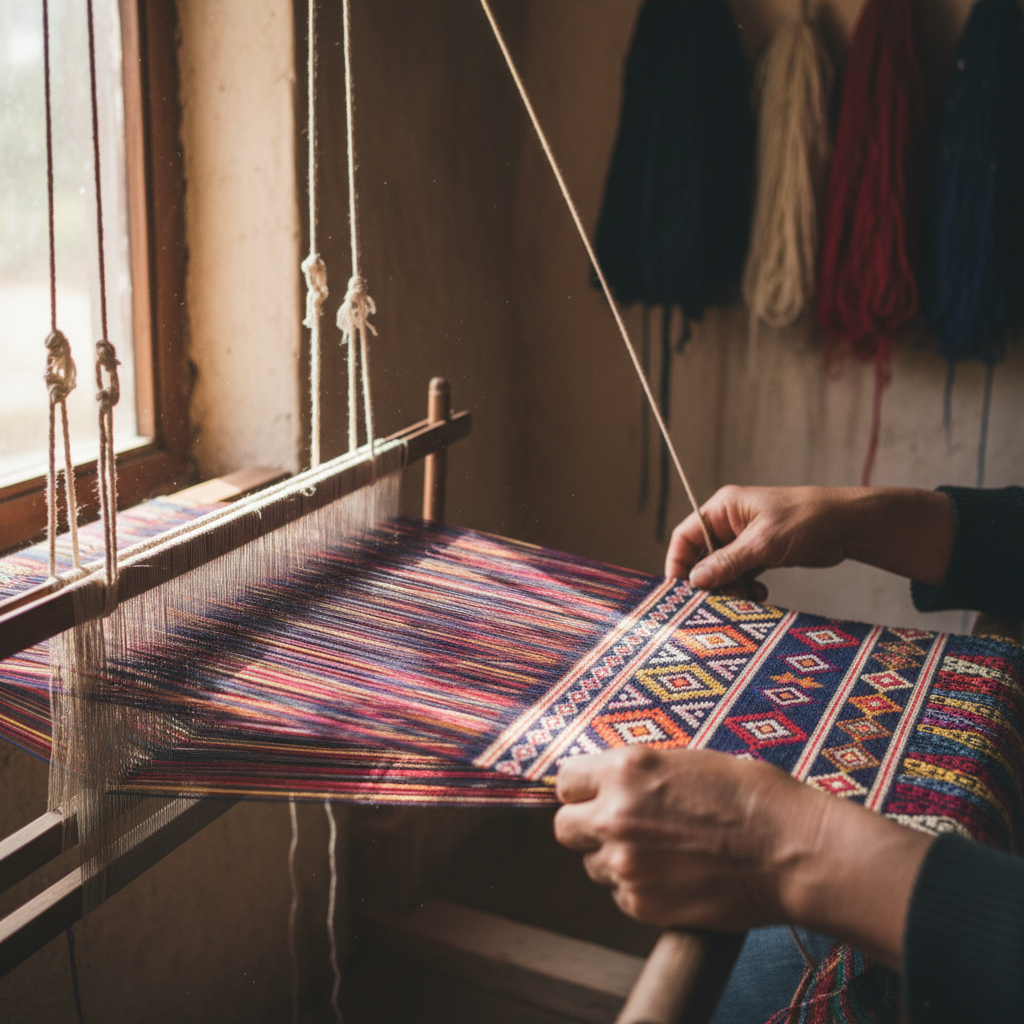
The Philippines faces a silent crisis where ancestral wisdom vanishes as elders pass away, a phenomenon mirrored in indigenous communities worldwide. Cultural erasure is not merely the loss of song or story; it represents the disappearance of sophisticated ecological and technical systems. Centuries of expertise in sustainable farming, herbal medicine, and intricate weaving techniques are frequently documented by external researchers or commercialized by fashion houses without any revenue flowing back to the original practitioners. This extraction occurs because traditional knowledge remains unquantified within modern economic frameworks.
Currently, a master weaver’s skill or a healer’s diagnostic precision lacks a formal mechanism for valuation. Without a structured way to monetize indigenous knowledge micro-certifications, these communities are left vulnerable to exploitation. There is an urgent need for a system that recognizes indigenous languages preservation as a foundation for intellectual property. By creating cultural micro-certifications, we can transform intangible heritage into verifiable assets. This ensures that when traditional wisdom is shared or utilized, the source communities receive both the credit and the financial compensation they deserve, effectively turning cultural legacy into a sustainable economic engine.
Understanding Micro-Certifications for Cultural Heritage
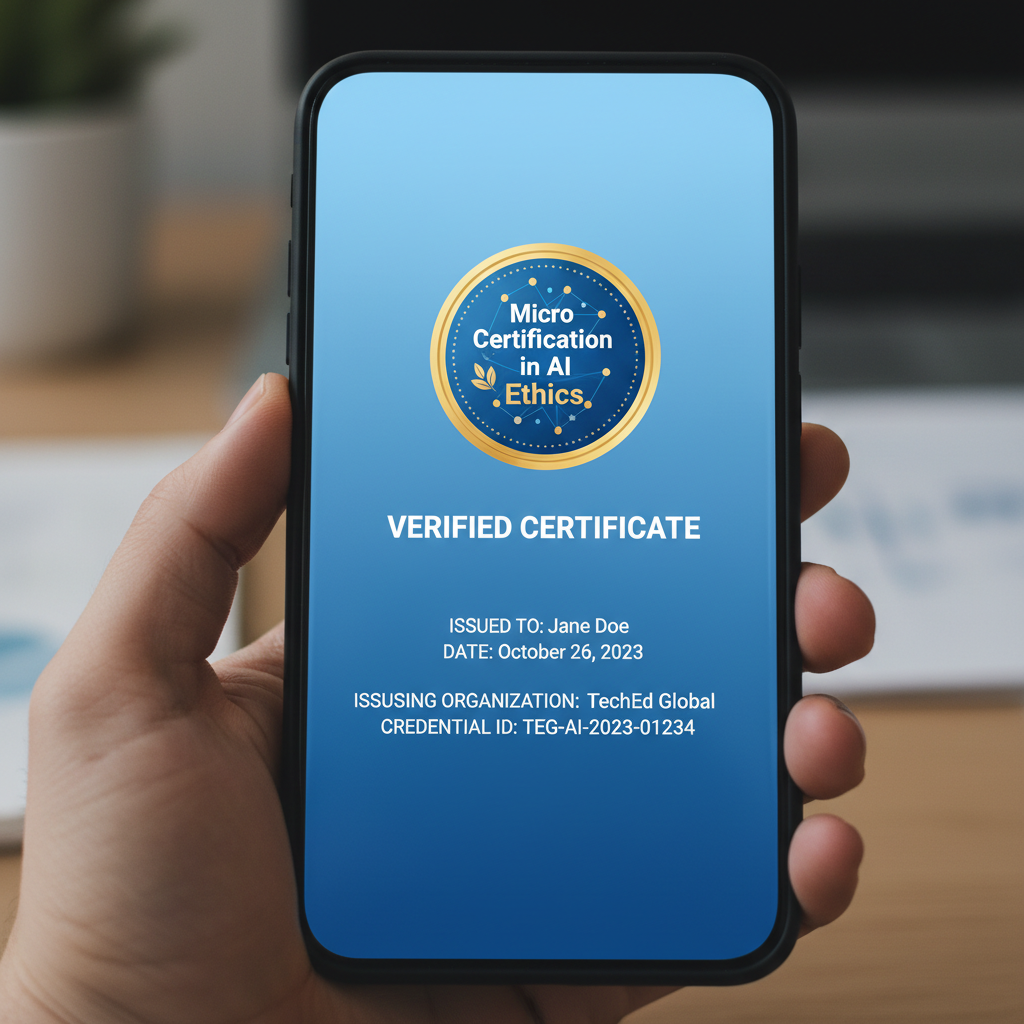
To bridge the gap between ancestral wisdom and the modern economy, we must move beyond abstract appreciation toward a structured framework of validation. Micro-certifications represent a paradigm shift in EdTech, moving away from broad four-year degrees toward granular, competency-based credentials. In a professional context, these certifications verify that an individual has mastered a specific, discrete skill. For Kalegacy, this means transforming thousands of years of tradition into verifiable modules, such as specialized weaving patterns, epic chanting, or sustainable forest management.
Unlike generic digital badges that often represent little more than participation, Kalegacy’s cultural micro-certifications are rooted in authenticity and rigorous standards. The distinction lies in the validation process. While typical online courses rely on automated quizzes, our certifications require a verification layer overseen by the community elders themselves. These elders act as the ultimate authorities, ensuring that the nuance, ethics, and technique of a practice are preserved accurately. This peer and elder-led validation ensures that the credential carries the weight of the community’s endorsement.
This modular approach is particularly effective for indigenous languages preservation. By breaking down complex oral histories and linguistic nuances into specific certifiable skills, we make the knowledge accessible to a global audience without diluting its complexity. As these competencies become standardized and verifiable, they create a pathway for practitioners to formally monetize indigenous knowledge micro-certifications. This structure provides the necessary documentation for schools, researchers, and organizations to recognize and pay for authentic expertise, turning a once-unquantified cultural legacy into a recognized professional asset.
How Kalegacy Uses AI to Digitize and Verify Oral Histories
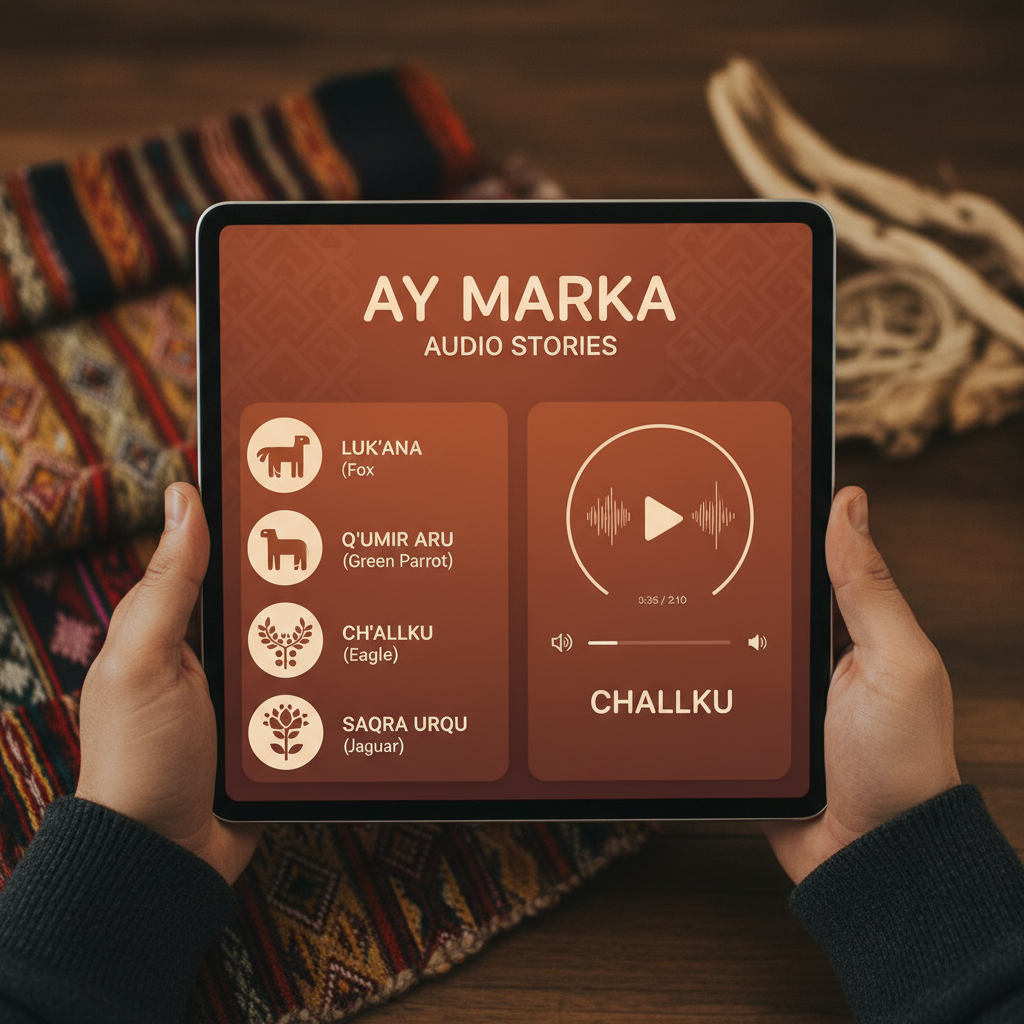
The transition from oral tradition to digital curriculum relies on sophisticated machine learning models designed to handle low-resource languages. Kalegacy utilizes Automatic Speech Recognition (ASR) tailored specifically for dialects that lack extensive written corpora. By analyzing phonetic patterns and linguistic nuances, our AI converts hours of field recordings into searchable, structured data. This process captures the subtle inflections and context that traditional text based documentation often misses.
This living archive serves as a dynamic resource that identifies specific cultural competencies, such as the exact tension required in a traditional loom or the seasonal timing for harvesting medicinal bark. Once the AI processes these oral histories, community elders verify the transcriptions for accuracy and cultural sensitivity. This hybrid approach ensures that the resulting cultural micro-certifications are both technically precise and culturally authentic, bridging the gap between ancient wisdom and digital education.
By structuring ancestral knowledge into discrete, digital modules, we create a scalable way to support indigenous languages preservation while simultaneously building a commercial framework. This verified data serves as the direct foundation for the curriculum that users pay to access. This digitized infrastructure provides the essential verification needed to monetize indigenous knowledge micro-certifications, ensuring that the economic value remains tied to the community’s original input rather than being siphoned off by external aggregators. Because the AI maps the lineage of the data back to its source, the community’s intellectual property remains the core asset of the entire platform.
Ways to Monetize Indigenous Knowledge Micro-Certifications

The transition from a digital archive to a functioning economy requires a structured approach to revenue generation. By converting verified oral histories into standardized digital assets, Kalegacy creates several distinct pathways to monetize indigenous knowledge micro-certifications. This economic framework ensures that the value generated by these legacies flows back to the source communities rather than being absorbed by intermediaries.
Institutional licensing represents the first primary revenue stream. Schools, universities, and non-governmental organizations often lack the specific, authenticated materials needed for indigenous languages preservation. These institutions pay to integrate Kalegacy’s modules into their core curricula, providing students with direct access to vetted heritage knowledge. This model transforms the community’s expertise into a licensed product that yields recurring returns as schools renew their access annually.
Direct-to-learner fees offer a second pathway. Individuals interested in specialized fields, such as sustainable architecture or ethnobotany, pay to access specific courses. In this transaction, the micro-certification serves as a digital receipt of authenticity. It is a verifiable credential that proves the learner has engaged with and supported the true custodians of the knowledge. For the learner, this certification acts as professional proof of ethical study; for the community, it is a direct financial contribution for their intellectual property.
Revenue Stream | Primary Target | Value Proposition |
|---|---|---|
Institutional Licensing | K-12 and Higher Ed | Vetted, authentic heritage curricula for academic credit |
Direct-to-Learner | Professionals and Students | Verifiable mastery and ethical source attribution |
CSR Partnerships | Corporations and Foundations | Measurable social impact through the preservation of IP |
Corporate Social Responsibility (CSR) partnerships provide a third layer. Companies looking to fulfill ESG (Environmental, Social, and Governance) commitments can sponsor the digitization of specific regional legacies. These partnerships fund the creation of cultural micro-certifications, turning corporate capital into permanent, income-generating digital assets for the indigenous community. This approach ensures that cultural preservation is not a one-time act of charity, but a sustainable investment in a community's long-term economic independence.
Protecting Intellectual Property and Indigenous Rights
Establishing a revenue model is only half of the equation; the structural integrity of the platform depends on who controls the underlying assets. Historically, large scale data harvesting by global technology firms has treated indigenous wisdom as public domain or raw material for model training without community consent. Kalegacy operates on a Cultural IP framework designed to reverse this extractive dynamic. In this model, the indigenous community retains perpetual ownership of their data, stories, and technical processes. The platform functions as a technical steward rather than a data owner, ensuring that the legal and digital rights to the heritage remain with the elders and their legitimate descendants.
This distinction is critical for those looking to monetize indigenous knowledge micro-certifications ethically. Unlike platforms that claim ownership of user-generated content, this infrastructure uses secure digital ledger systems to attribute every learning module to its specific source community. This ensures that any revenue generated from cultural micro-certifications is tied to a verifiable ownership record. By prioritizing indigenous languages preservation through this protective lens, the system prevents unauthorized commercialization by third parties. The community maintains the right to audit, update, or restrict their practices, ensuring sovereignty over how their legacy is presented to the global market. This framework prevents cultural data from being treated as a generic commodity, instead treating it as a living, community-owned asset.
Case Study: From Ancestral Skills to Global Survival Certificates
Consider an elder from the Aeta community in Central Luzon, a master of forest survival whose lineage has navigated the rainforest for millennia. Through Kalegacy, his techniques for identifying potable water sources in vines or extracting antiseptic compounds from wild flora are recorded in his native tongue. AI processes these oral recordings to create a curriculum for a specialized module.
A landscape architect in Manila or a wilderness survival instructor in the United Kingdom pays for this specific course to gain specialized ecological insights. Upon completion, the learner receives a digital badge, a cultural micro-certification verified by the Aeta council of elders. This credential represents a high-standard validation of survival skills backed by thousands of years of empirical testing in the field.
The transaction creates a direct economic bridge. A significant portion of the enrollment fee is distributed to the Aeta community as a royalty for their intellectual property. This model allows the village to monetize indigenous knowledge micro-certifications while simultaneously funding their own indigenous languages preservation efforts. By transforming ancestral skills into global survival certificates, the platform ensures the community remains the primary beneficiary of its heritage, replacing historical extraction with a sustainable, global marketplace for indigenous wisdom.