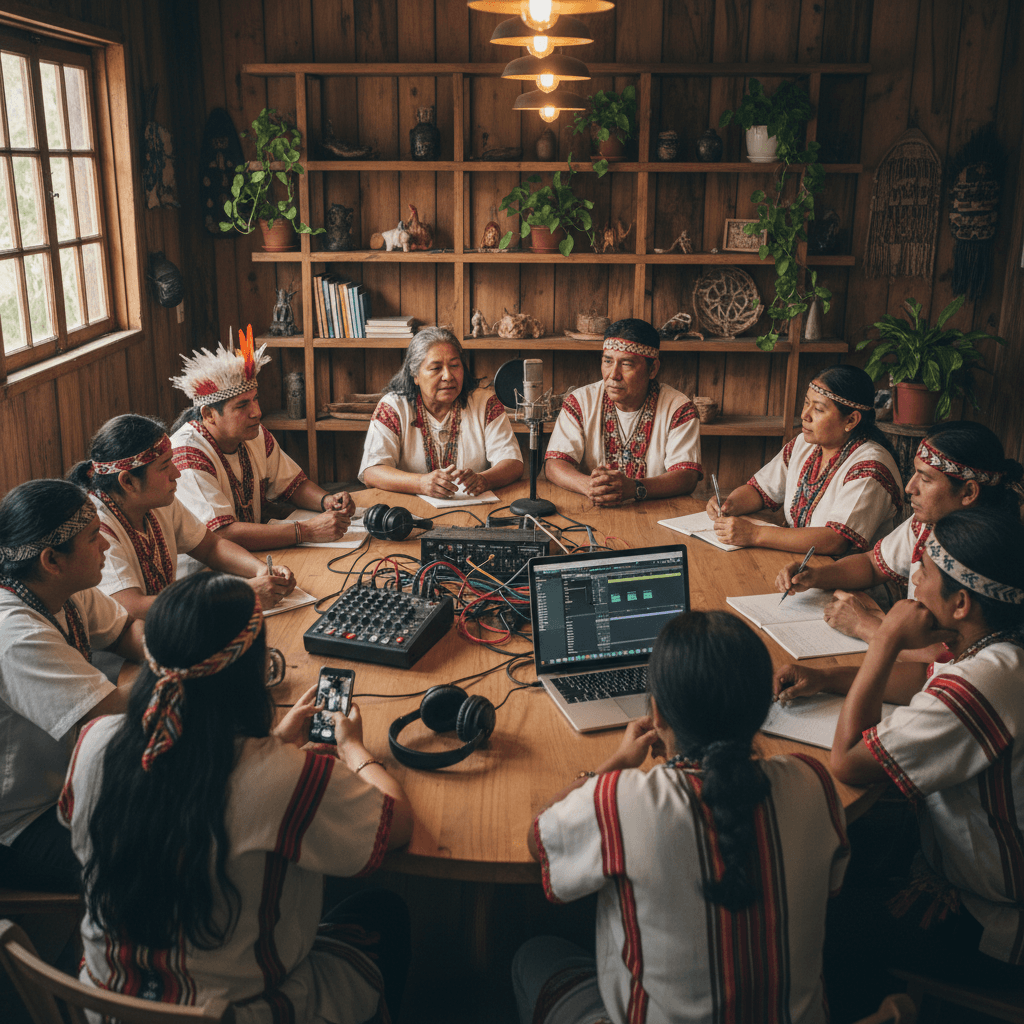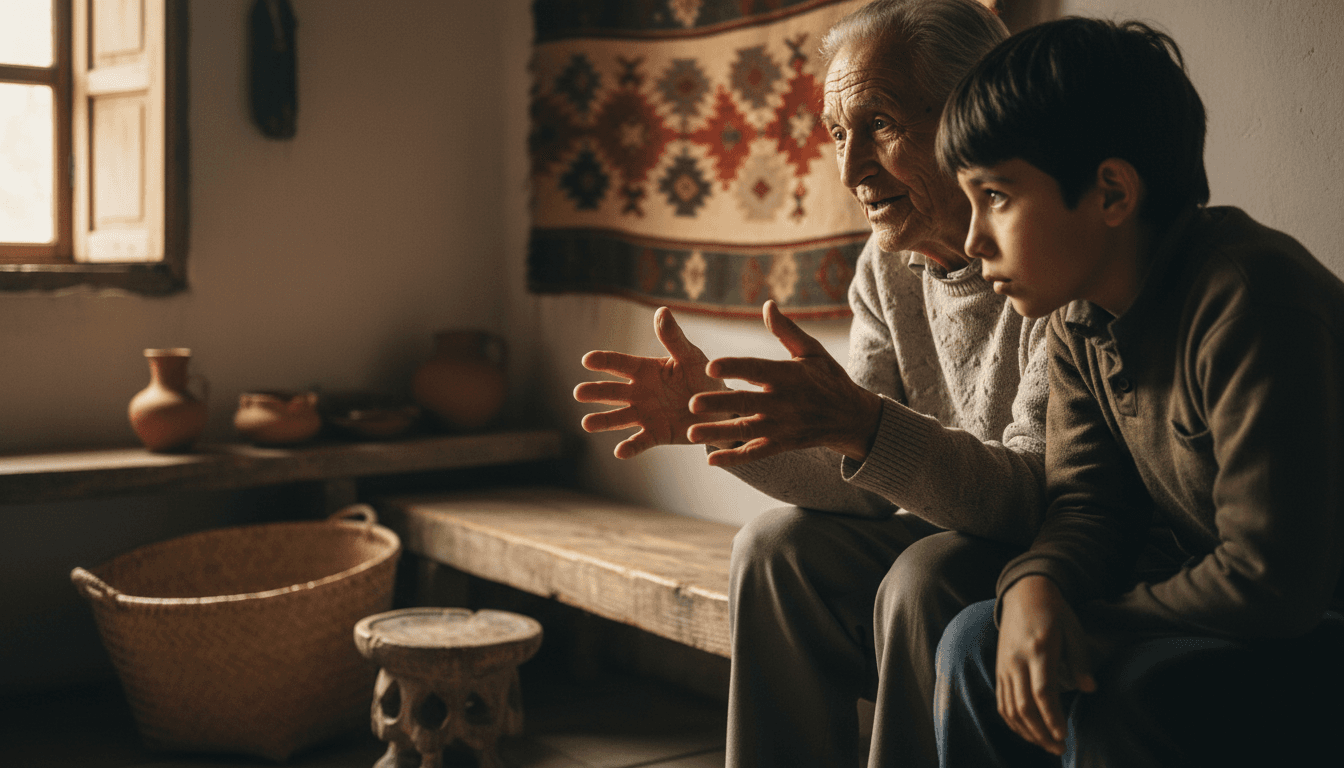
Integrating ancestral survival skills indigenous wisdom into modern life builds resilience by providing time-tested strategies for climate adaptation, food security, and disaster mitigation. These traditional practices offer practical frameworks for sustainable resource management and self-sufficiency, allowing contemporary societies to better navigate environmental challenges through proven ecological insights.
In an era of increasing climate volatility and systemic instability, many leaders find themselves over-reliant on fragile digital infrastructures and global supply chains. When the grid falters or local ecosystems shift, modern conveniences offer little protection; this vulnerability stems from a disconnect between our current lifestyles and the field-tested survival strategies of our ancestors. Indigenous wisdom is not a relic of the past. It is a sophisticated blueprint for modern resilience and high-stakes risk management. By integrating Traditional Ecological Knowledge, we can fortify our communities against both environmental and economic shocks. This article explores how we can bridge this knowledge gap. You will learn about the foundational role of indigenous practices in climate adaptation, specific case studies from the Philippines, and the innovative ways AI and micro-certifications are now being used to preserve and monetize these vital intellectual assets.
Why Ancestral Survival Skills and Indigenous Wisdom Matter Today
Modern survivalism often boils down to the 3-3-3 rule: three minutes without air, three days without water, and three weeks without food. While these benchmarks are useful for immediate crisis management, they represent a reactive approach to existence. In contrast, Indigenous Knowledge Systems and Practices (IKSP) provide a proactive, holistic framework for long-term resilience. These systems are not just about temporary "bushcraft" or primitive fire-making; they are sophisticated, time-tested methodologies for living in harmony with an ever-changing environment.
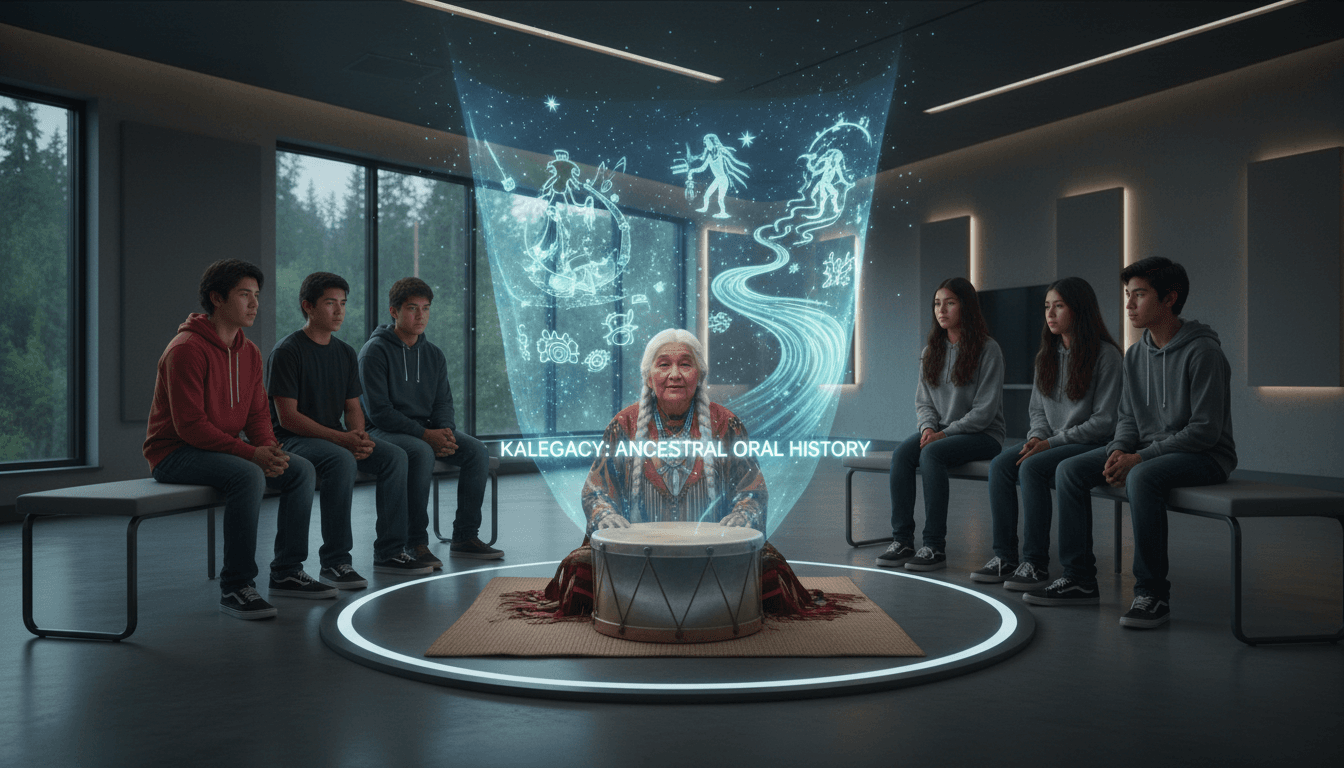
At Kalegacy, we view these traditions as a vital "survival manual" for the modern world. Our mission involves bridging the gap between ancient intelligence and the digital era through EdTech innovation for indigenous communities. By using AI and machine learning to digitize oral histories, we ensure that the specific survival strategies of the Philippines’ 110 ethnolinguistic groups are not lost to time. This process is essential for preventing cultural erasure, as it transforms oral traditions into accessible, structured knowledge that can be integrated into contemporary education.
These skills represent a sustainable worldview where human survival is inextricably linked to the health of the ecosystem. Whether it is the precision of Ifugao water management or the botanical expertise of the Ata tribe, this indigenous survival skills training offers practical solutions for modern challenges like food insecurity and climate instability. By preserving these legacies, we are not just looking backward; we are equipping the next generation with the tools for global survival. You can read more about our mission to preserve cultural legacies and how we are turning ancestral wisdom into a living, digital archive.
Traditional Ecological Knowledge: The Foundation of Climate Resilience
Traditional Ecological Knowledge (TEK) functions as a living science, grounded in millennia of longitudinal observation. Unlike generic survival guides that offer static checklists for short term emergencies, TEK provides a sophisticated framework for environmental management. Across the Philippines, the 110 ethnolinguistic groups possess a massive, untapped repository of resilience strategies that address the core challenges of our century: water scarcity and food security.
These communities do not merely react to the environment; they manage it through meticulous cycles of observation and adaptation. Indigenous practitioners monitor subtle shifts in biodiversity, weather patterns, and soil health to inform their agricultural and hydraulic systems. For instance, the management of upland water sources is often governed by complex social and ecological protocols that ensure equitable distribution even during prolonged droughts. This depth of understanding transforms indigenous survival skills training into a precise tool for climate resilience.
By viewing these practices as rigorous intellectual property rather than relics, we recognize their potential to stabilize modern ecosystems. This integrated approach to land and resource stewardship is central to about our mission to preserve cultural legacies. By securing this knowledge, we are not just preserving history; we are scaling proven scientific methods for environmental survival.
Five Examples of Indigenous Knowledge from the Philippines
To understand how these systems function in practice, we must look at the specific methodologies developed by Filipino ethnolinguistic groups. These are not merely cultural artifacts; they are data-driven solutions for resource management.
Ifugao Stone Riprapping (Topeng): Beyond the visual grandeur of the rice terraces lies a sophisticated engineering system. The topeng (stone walls) are constructed without mortar, relying on precise gravity-based placement to prevent soil erosion and landslides. This is paired with a communal water management system that ensures every tier of the terrace receives adequate hydration; a vital skill for climate-stressed regions.
Matigsalog Soil Regeneration: The Matigsalog people utilize controlled shifting cultivation to maintain soil fertility. By understanding the specific nutrient cycles of their ancestral lands, they allow plots to lie fallow for precise periods. This ensures the earth recovers before the next planting cycle, preventing the nutrient depletion common in industrial monocropping.
Ata Tribe Pharmacopeia: The Ata tribe possesses an exhaustive mental database for foraging and medicinal plant identification. This indigenous survival skills training includes the ability to distinguish between toxic lookalikes and life-saving botanicals, a skill set that ensures food security even when traditional supply chains fail.
Woodcarving (Paot): In many indigenous cultures, woodcarving is the foundation of tool-making. The paot (chisel or carving tool) is used to craft everything from agricultural implements to household utensils. This mechanical knowledge allows communities to remain self-sufficient by manufacturing their own infrastructure from local materials.
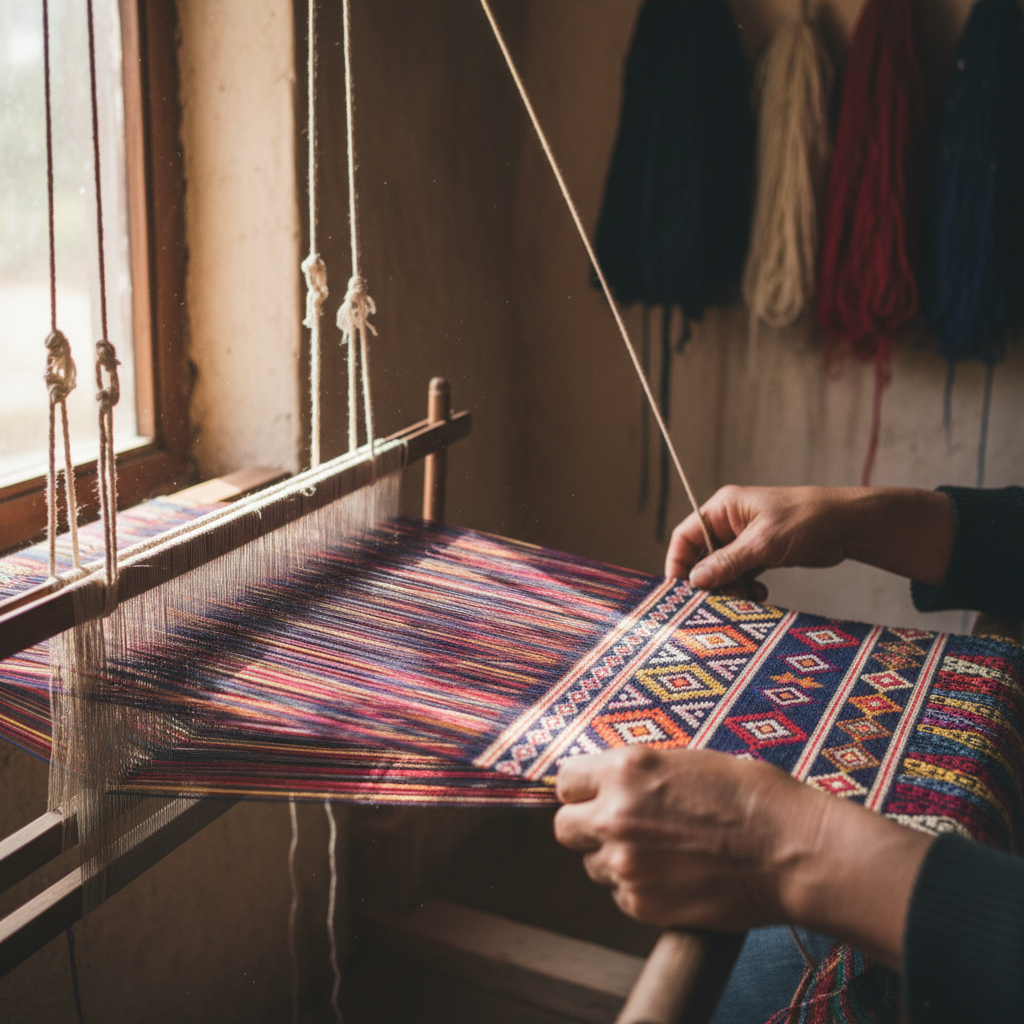
Weaving (Apfor): While often viewed as art, weaving is a survival necessity that provides protection against the elements. For many groups, it also serves as a mnemonic device. Patterns within the apfor record tribal history and ecological events, acting as a textile archive.
This integration of utility and information is why about our mission to preserve cultural legacies focuses on capturing the nuances of ancestral survival skills indigenous wisdom. These practices represent a highly technical response to environmental demands, yet they are increasingly vulnerable as the oral chains of transmission weaken.
The Disappearing Archive: Why We Are Losing Ancestral Wisdom
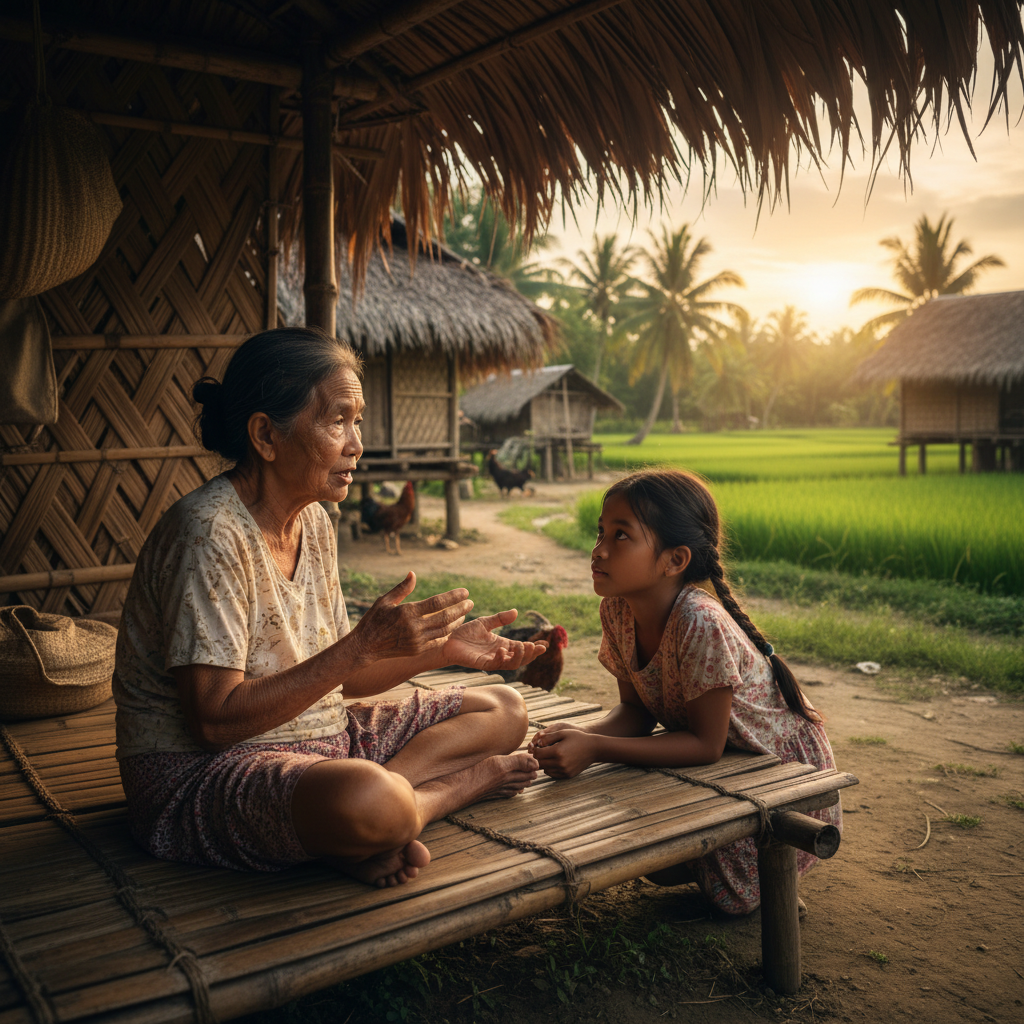
Indigenous knowledge is historically transmitted through oral traditions and hands-on apprenticeship. Elders mentor youth directly within the ecosystem, using specific terminology tied to the local landscape to teach intricate skills. However, this chain of transmission is fragile. When younger generations migrate to urban centers for labor or are displaced from their ancestral domains, the physical context required to practice and teach these skills vanishes. Without the land, the precise vocabulary for stone riprapping or soil management becomes abstract, eventually fading from collective memory.
The absence of structured digital documentation compounds this crisis. Currently, much of the Philippines’ ancestral survival skills indigenous wisdom exists solely in the minds of a dwindling number of elders. As these wisdom keepers pass away, we lose more than just stories; we lose a technical survival manual that has been peer-reviewed by the environment for centuries. A lost language or craft often signifies the loss of a specific ecological insight, such as a unique method for identifying drought-resistant tubers or managing watershed health during extreme weather events.
This erosion of knowledge represents a critical vulnerability in global resilience. Without intervention through EdTech innovation for indigenous communities, these survival strategies remain locked in an analog format that is increasingly inaccessible to digital-native youth. Securing these archives is a race against time. This urgency defines about our mission to preserve cultural legacies, as we work to ensure that the instructional framework for our planet’s future remains intact and actionable.
How AI and Machine Learning Preserve Oral Histories
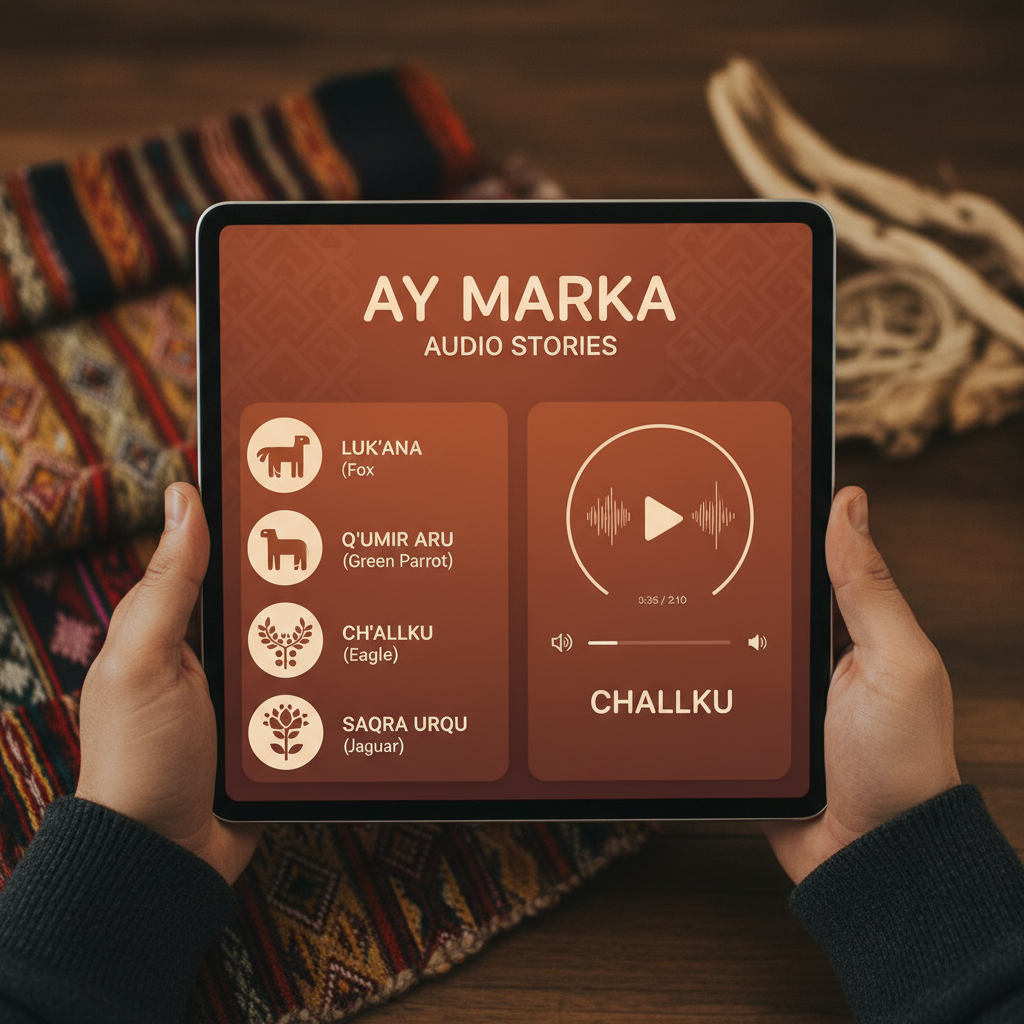
To halt this erosion, Kalegacy employs advanced computational linguistics and machine learning to transform ephemeral oral recordings into a searchable, structured database. By utilizing natural language processing (NLP) tailored for Philippine dialects, we extract specific technical instructions from tribal narratives. This process identifies the scientific principles embedded in ancestral survival skills indigenous wisdom, such as the fluid dynamics used in terrace irrigation or the chemical properties of medicinal barks.
This digital transition enables the creation of a living archive that maps heritage onto core educational subjects like Mathematics, Science, and Social Studies. Instead of viewing culture as an extracurricular activity, students analyze the geometric precision of weaving patterns or the ecological balance of shifting cultivation as part of their standard curriculum. This EdTech innovation for indigenous communities provides a structured environment where traditional knowledge is validated alongside modern academic standards.
Technology serves as the critical linguistic and cultural bridge for digital native youth. By housing these archives on interactive platforms, we reconnect younger generations with their elders through a medium they already master. This approach does more than just archive data; it restores the prestige of the wisdom keeper in the eyes of the youth. You can read more about our mission to preserve cultural legacies and how we use AI to ensure that no tribal manual is left in silence.
Economic Resilience: Monetizing Intellectual Property Through Micro-Certifications
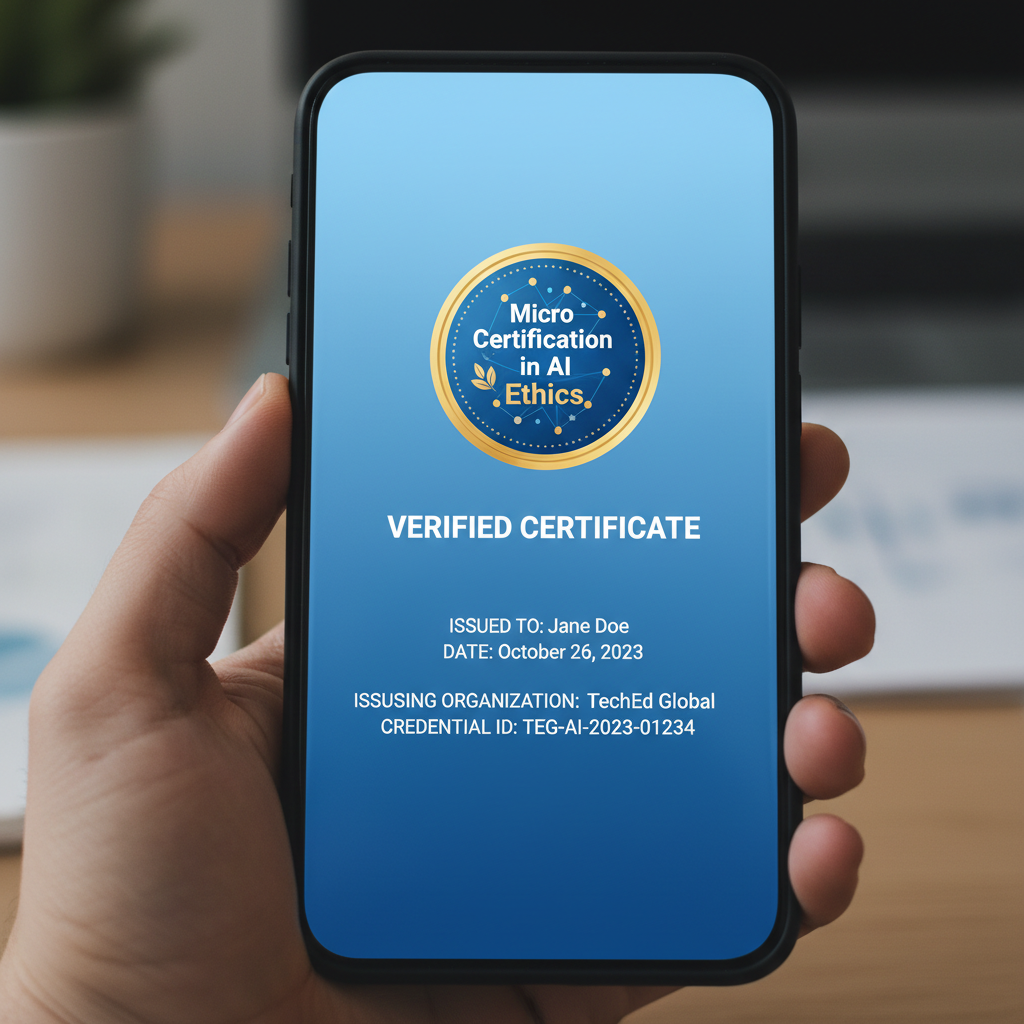
The transition from digital preservation to economic empowerment is where heritage becomes a sustainable asset. Kalegacy facilitates this by converting ancestral survival skills indigenous wisdom into a structured micro-certification system. Unlike traditional academic degrees that often overlook localized expertise, these certifications validate specific proficiencies, such as Ifugao hydraulic engineering or Ata botanical pharmacology. By formalizing these skills into recognized credentials, indigenous practitioners can offer their expertise to global markets as paid consultants, instructors, or land management specialists.
This framework directly addresses the long standing issue of cultural extraction. Historically, outside researchers and corporations have documented indigenous practices without providing equitable compensation or recognition. Our EdTech innovation for indigenous communities changes this dynamic by ensuring that the community retains ownership of its intellectual property (IP). When a weaver or farmer earns a micro-certification through Kalegacy, they are not just proving their skill; they are securing a digital right to their methodology. This allows them to monetize their knowledge directly through our platform, rather than letting it be harvested by third parties.
This model creates a circular economy of knowledge. Financial incentives encourage the younger generation to master these skills from their elders, as these traditions now offer a viable career path alongside modern education. Revenue generated from indigenous survival skills training stays within the ancestral domain, funding local infrastructure and conservation efforts. By linking economic stability to cultural continuity, we ensure that about our mission to preserve cultural legacies is rooted in the practical reality of community survival.
Integrating ancestral wisdom into our modern lives is more than a nod to history; it is a vital strategy for building true resilience. By honoring these time-tested skills, we create a more sustainable and grounded future for the generations to come. If you want expert help applying these principles to your own journey, understanding our mission is a great place to start. You can learn more about our approach to preserving legacy and how we support individuals in bridging the gap between ancient truth and modern practice.