Integrating indigenous knowledge in education Philippines classrooms is essential for fostering inclusive instruction and strengthening community identity among learners. This pedagogical shift bridges traditional wisdom with modern curricula to ensure teaching remains culturally relevant; it also empowers students by preserving their unique heritage through formal schooling.
Educators and administrators often face the daunting challenge of translating complex national mandates into practical, daily classroom experiences. Despite the clear legal requirements of RA 8371 and DepEd DO 32, many schools still struggle to integrate indigenous knowledge systems in a way that feels authentic rather than merely performative. This disconnect does more than just hinder compliance; it limits the potential for genuine cultural preservation and prevents students from accessing a contextualized curriculum. In this article, we examine the legal landscape and the practical hurdles of curriculum implementation. You will learn about the 5 Rs of indigenous education, the significance of intellectual property in protecting heritage, and how modern AI tools can scale these efforts. We provide a clear roadmap for moving beyond theory toward actionable cultural empowerment and economic inclusion for all Filipino learners.
Understanding Indigenous Knowledge Systems and Practices in the Philippines
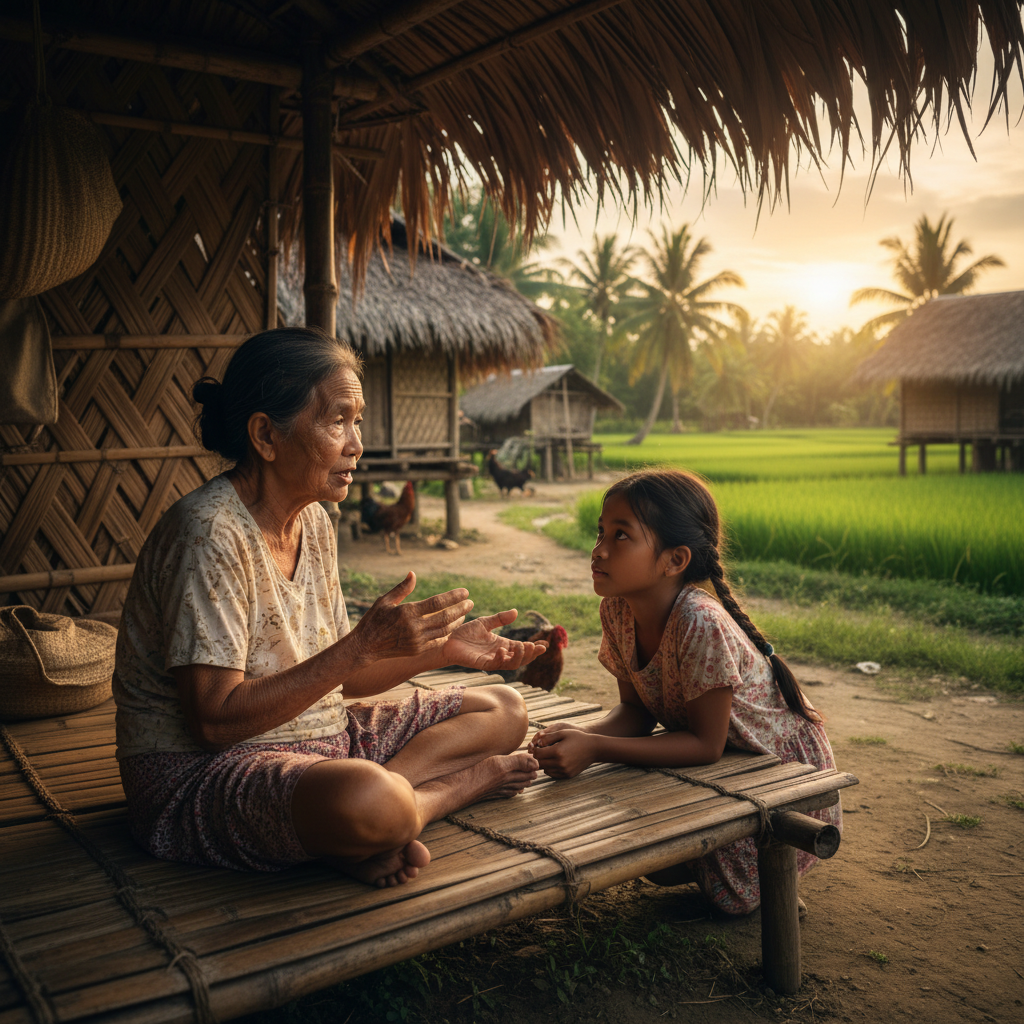
In the Philippines, Indigenous Knowledge Systems and Practices (IKSP) are often mistakenly reduced to mere folklore or historical curiosity. In reality, IKSP represents a sophisticated, multidisciplinary framework that governs everything from sustainable resource management to social ethics. For instance, the traditional irrigation systems of the Cordilleras or the navigational techniques of the Sama-Bajau are not just cultural traits; they are precise applications of environmental science and engineering. This holistic approach ensures that survival, ecological health, and social harmony are inextricably linked.
Modern urban education in the Philippines remains heavily influenced by Western-centric paradigms, prioritizing standardized, modular learning over localized wisdom. While the national curriculum aims for uniformity, it often fails to account for the nuanced indigenous knowledge in education Philippines that has sustained communities for centuries. This knowledge is primarily transmitted through oral traditions, such as chants, epics, and communal storytelling. Because these systems lack a digitized or formal written record in the eyes of mainstream academia, they face significant risk of erasure.
As standardization takes precedence in the classroom, the unique conceptual frameworks embedded in local languages are diluted, leading to a disconnect between a student’s heritage and their academic development. Preserving these systems requires a shift toward EdTech solutions for cultural heritage that can document these oral histories without stripping them of their context. By recognizing IKSP as a valid, scientific system of knowing, we can bridge the gap between ancestral wisdom and modern pedagogy, ensuring that these global survival skills are not lost to history.
The Legal Mandate: RA 8371 and DepEd DO 32 s. 2015 Explained
The protection of indigenous knowledge in education Philippines is not merely a moral imperative; it is a legal requirement. The cornerstone of this mandate is Republic Act No. 8371, also known as the Indigenous Peoples’ Rights Act (IPRA) of 1997. Under Section 28 of IPRA, the State is obligated to provide indigenous children with access to cultural and educational opportunities, while simultaneously recognizing the rights of communities to establish and control their own education systems. This law established the legal ground for self determination in learning, ensuring that education serves to reinforce, rather than replace, tribal identity.
To operationalize these rights within the public school system, the Department of Education issued DepEd Order No. 32, s. 2015. This order adopted the Indigenous Peoples Education (IPEd) Curriculum Framework, which directs schools to contextualize the K to 12 curriculum based on the specific ancestral domain, community history, and indigenous knowledge systems of the learners. Unlike a standard approach, this framework mandates that teaching materials should be developed in consultation with community elders and culture bearers to ensure pedagogical relevance.
Policy Instrument | Primary Function | Key Stakeholders |
|---|---|---|
RA 8371 (IPRA) | Establishes the right to self-governance and cultural integrity | NCIP, Indigenous Cultural Communities |
DepEd DO 32, s. 2015 | Framework for a culturally responsive national curriculum | DepEd, Teachers, Community Elders |
Despite these robust legal foundations, a significant gap persists between policy and classroom implementation. While the law provides the mandate, educators often struggle with the acquisition of localized resources. The lack of structured, digitized materials means many teachers are left to interpret complex oral traditions without the necessary tools to maintain accuracy. Bridging this resource gap is essential for turning these legislative frameworks into a lived reality. Learning more About our mission to preserve oral histories highlights the importance of providing teachers with the verified data required to fulfill these legal obligations effectively.
The 5 Rs of Indigenous Education: A Framework for Inclusion
To move beyond legal compliance and toward a genuine pedagogical shift, educators can adopt the "5 Rs" framework. This holistic approach ensures that indigenous knowledge in education Philippines is not just an additive module but the very foundation of the learning environment. By grounding instruction in these five pillars, schools can create a space where indigenous identity thrives alongside academic excellence.
Respect: This involves acknowledging that indigenous worldviews are sophisticated systems of logic rather than mere myths. In practice, a teacher demonstrates respect by validating a student’s use of their mother tongue to explain complex ecological or spiritual concepts that may lack direct English equivalents.
Responsibility: Educators have a duty to ensure that cultural content is portrayed accurately and ethically. This requires active consultation with tribal councils to prevent the misrepresentation of sacred symbols or rituals within classroom materials.
Relevance: Learning must be anchored in the local landscape. For instance, rather than using global examples to teach biology, a teacher might use traditional farming cycles or the medicinal properties of local flora to explain plant physiology and biodiversity.
Reciprocity: This principle transforms the classroom from a one way extraction of information into a mutual exchange. Schools should consider how their presence benefits the ancestral domain, perhaps by co-creating archives that the community can use for their own cultural mapping.
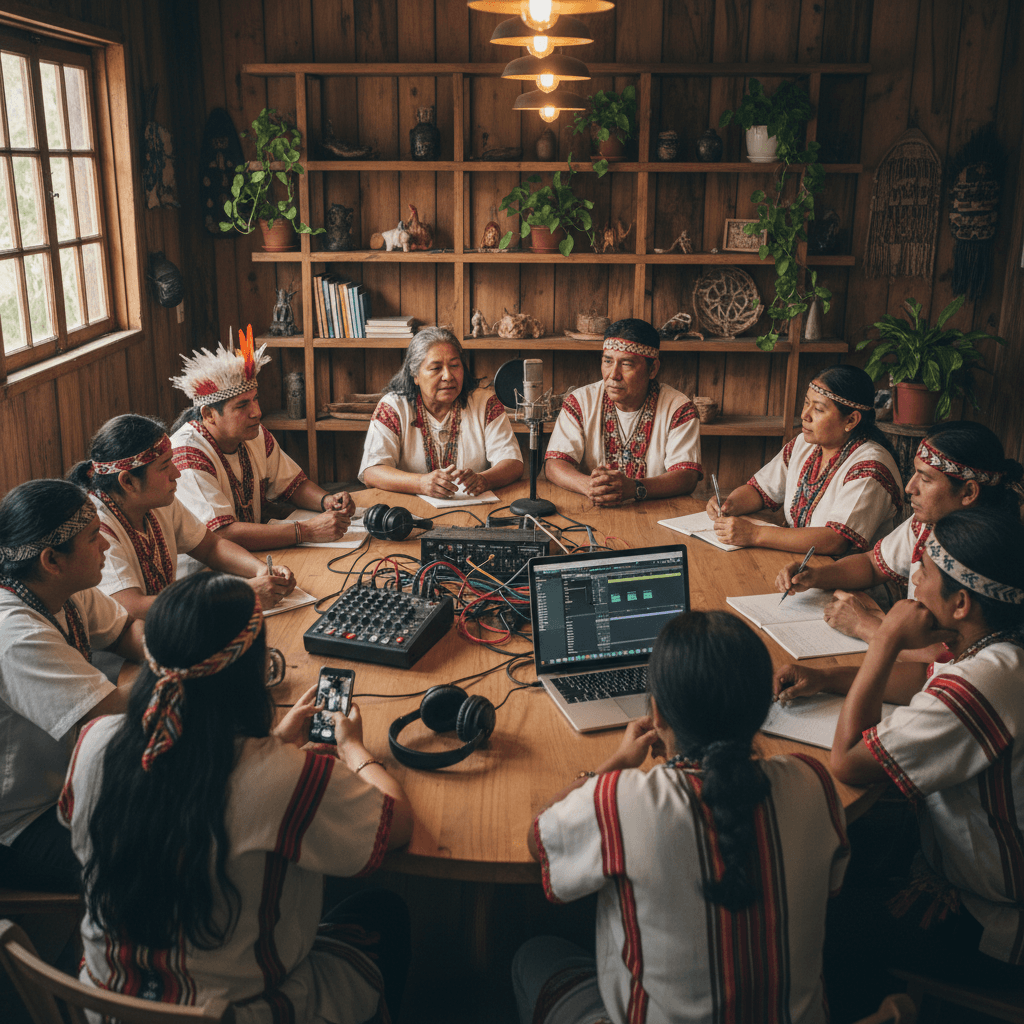
Relationships: Education should foster a deep connection between the student, their elders, and the environment. By inviting community leaders into the classroom, schools bridge the generational gap often widened by standardized schooling.
Successfully applying this framework requires access to verified, localized data. Utilizing EdTech solutions for cultural heritage can help teachers bridge this gap, providing the structured resources necessary to make these five pillars a daily reality in the classroom.
Challenges in Implementing the Indigenous Peoples Education Curriculum
While the legal framework and the 5 Rs provide a conceptual roadmap, frontline educators face formidable practical barriers. A primary concern is the disruption of linguistic ecology, where the loss of a mother tongue results in the disappearance of unique conceptual frameworks. When a language dies, the specific logic used to describe local biodiversity or social ethics often dies with it. This makes the integration of indigenous knowledge in education Philippines particularly difficult, as standardized Filipino or English frequently lacks the precise vocabulary required to express nuanced ancestral concepts.
Beyond language, teachers struggle with a chronic shortage of localized materials. They are often tasked with developing their own modules without the support of structured archives or verified ethnographic data. This burden is compounded by the inherent tension between culturally responsive teaching and the pressures of standardized national testing, which rarely accounts for indigenous competencies or local survival skills. Furthermore, although community elders are the primary holders of wisdom, the formal school system lacks a structured logistical framework to integrate them as co-educators. Without a mechanism to facilitate these partnerships, the transmission of knowledge remains fragmented. Overcoming these hurdles requires innovative EdTech solutions for cultural heritage that can translate oral traditions into reliable, classroom-ready resources.
How Kalegacy Uses AI to Scale Cultural Preservation in Schools
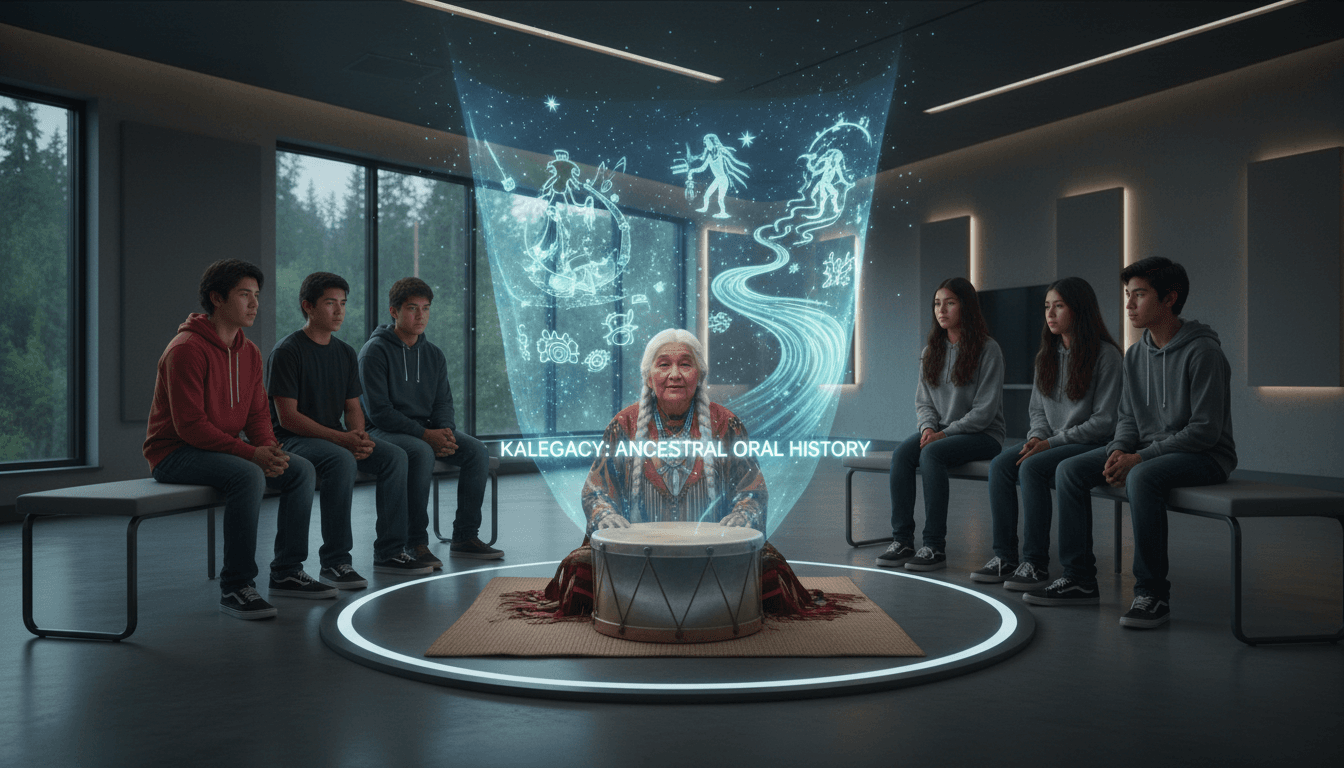
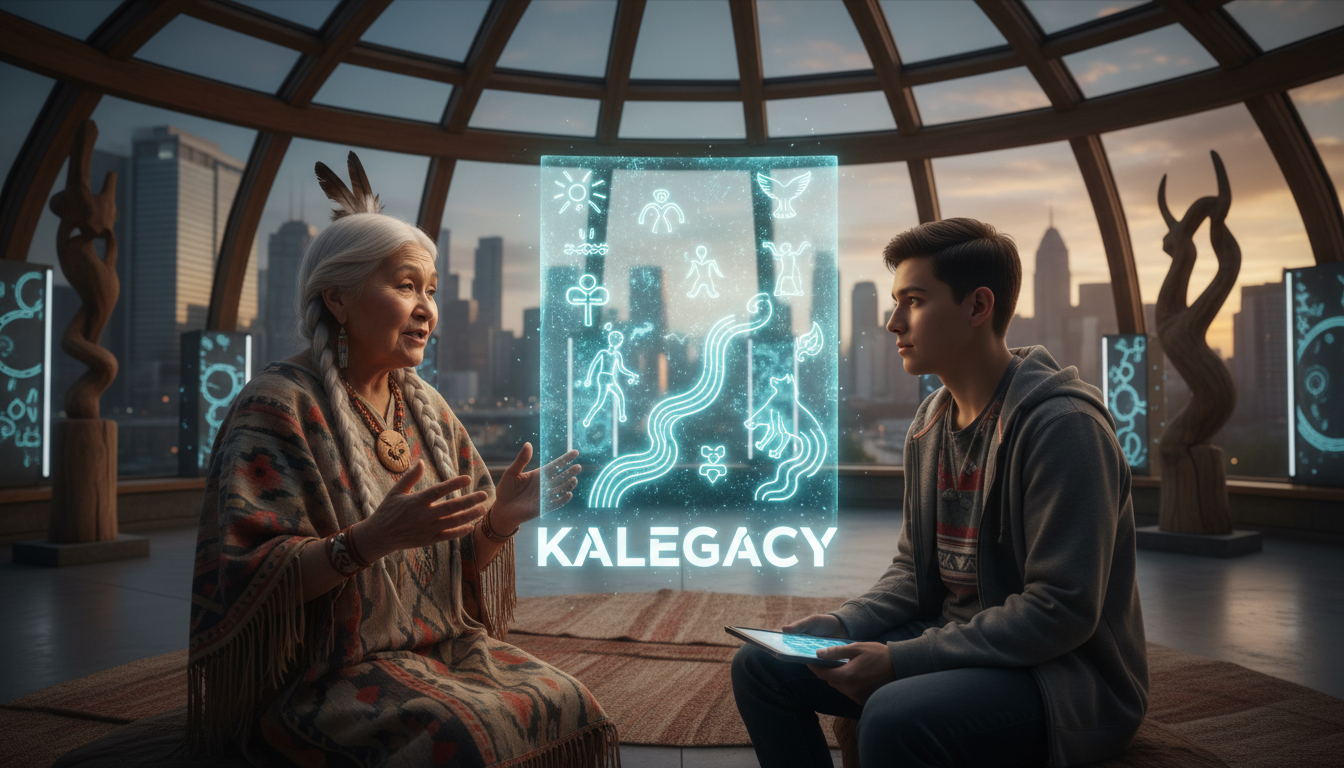
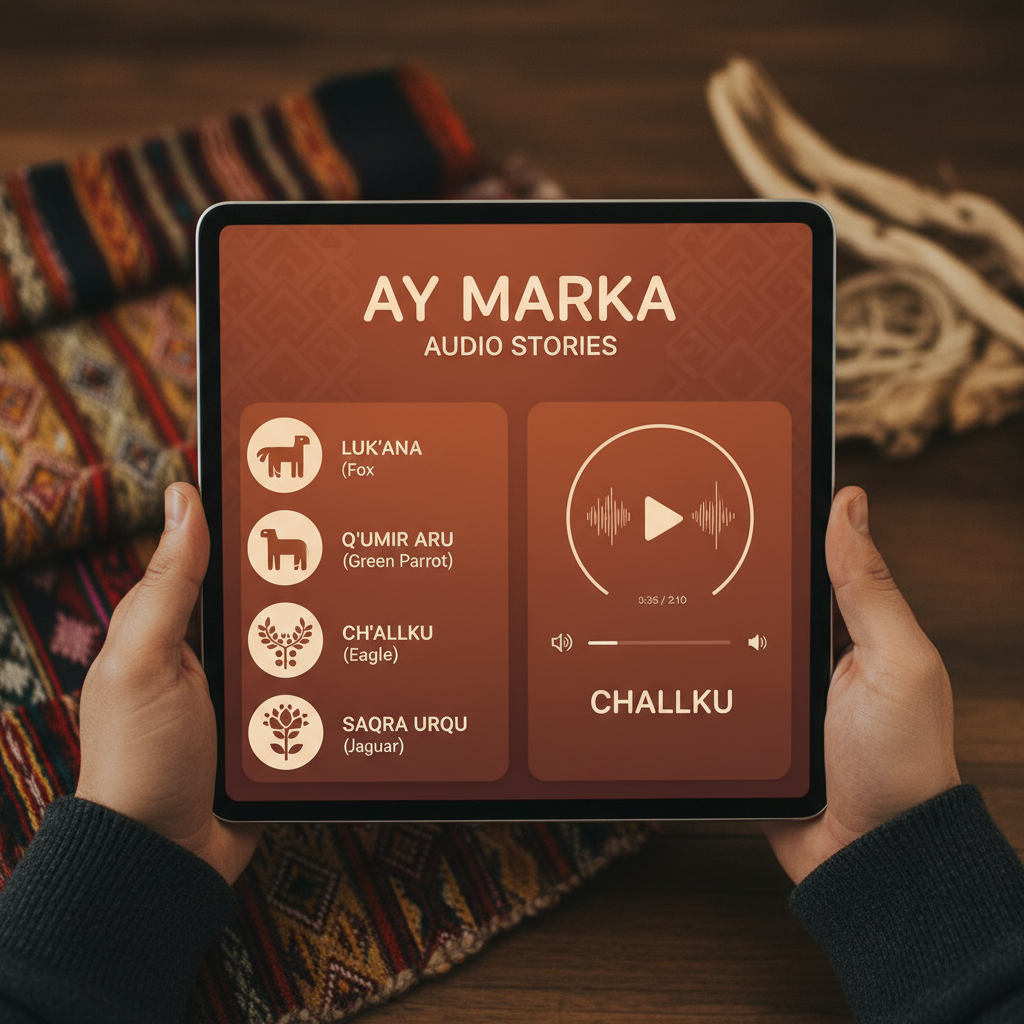
Kalegacy addresses the implementation hurdles identified in the previous section by deploying artificial intelligence and machine learning to transcribe, categorize, and preserve oral traditions. By digitizing these histories, we create a living archive that transforms scattered oral wisdom into structured, classroom-ready modules. This technical layer bridges the gap between DepEd mandates and daily teaching reality.
Our platform provides high-quality, indigenous-led content that integrates directly with core subjects such as mathematics, social studies, and environmental science. For instance, machine learning algorithms help process linguistic data to identify and preserve specific indigenous terms for biodiversity that have no direct English translation. This ensures that indigenous knowledge in education Philippines remains accurate and contextually rich, even when scaled across different regions.
The philosophy behind Kalegacy is that technology should serve heritage, not replace it. We use AI to amplify the voices of community elders, turning their lived experiences into verifiable data that teachers can deploy with confidence. By providing EdTech solutions for cultural heritage, we facilitate a seamless transition from oral transmission to digital integration. You can read more About our mission to preserve oral histories to understand how we maintain the integrity of these sources while providing the tools necessary for modern classroom success.
Economic Empowerment Through Micro-Certifications and Intellectual Property
Preservation efforts often stall because they rely solely on philanthropy or social goodwill. Kalegacy shifts this paradigm by transforming cultural heritage into a sustainable economic asset. By digitizing oral histories, we help communities establish a documented claim over their intellectual property (IP), protecting it from unauthorized commercial use while creating pathways for monetization.
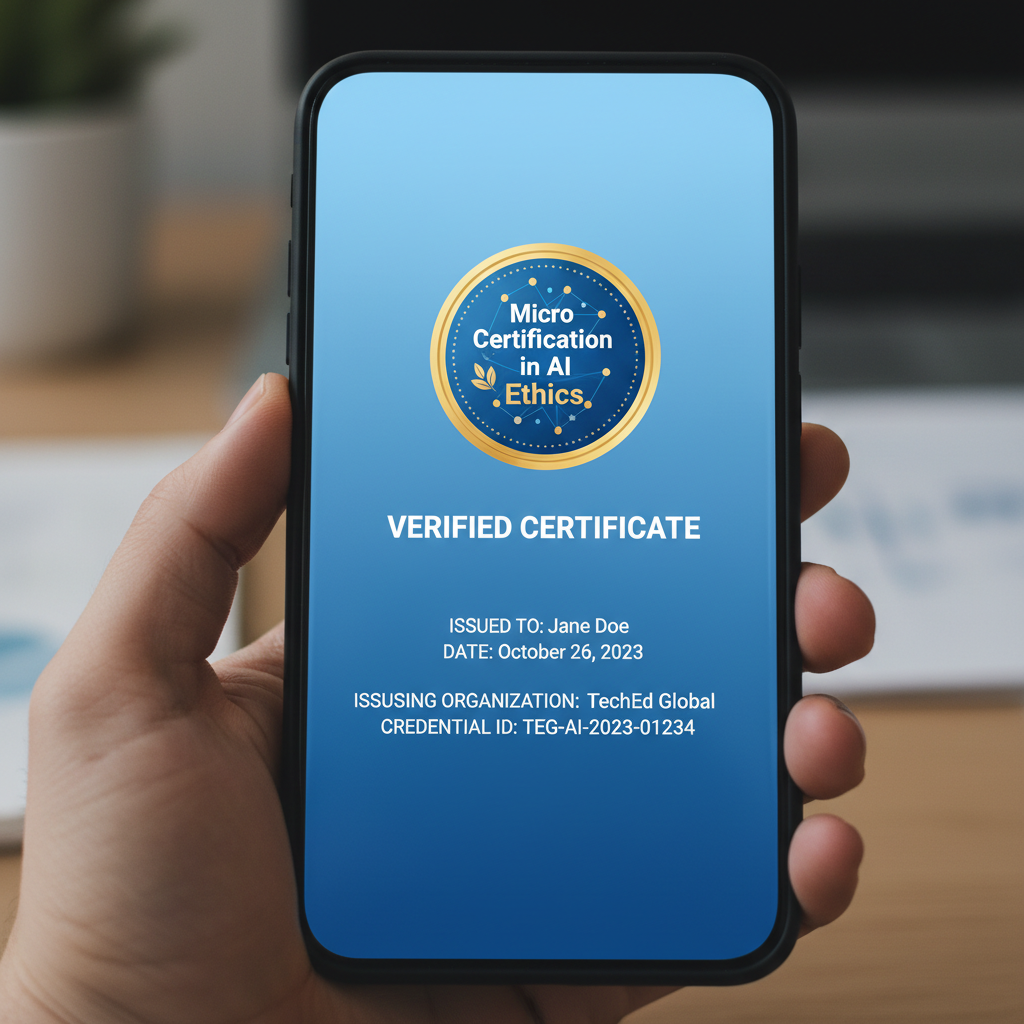
Through a system of micro-certifications, indigenous communities can directly benefit from the dissemination of their wisdom. When an educator or professional seeks to master specific modules on indigenous knowledge in education Philippines, the resulting micro-credentials generate revenue that flows back to the tribal councils and culture bearers who provided the data. This model moves beyond the extractive nature of traditional ethnographic research; it treats the community as a rightful owner of a specialized knowledge economy.
Economic Pillar | Functional Impact | Sustainability Goal |
|---|---|---|
Micro-Certifications | Validates specialized cultural competencies | Generates recurring revenue for elders |
IP Protection | Establishes digital ownership records | Prevents cultural misappropriation |
Living Archives | Links heritage with professional development | Incentivizes the next generation to lead |
This structure ensures that cultural preservation is not a burden but an opportunity. By providing EdTech solutions for cultural heritage, Kalegacy allows communities to maintain their traditions while securing their financial future. Our approach ensures that the work described About our mission to preserve oral histories is fundamentally linked to the economic resilience of the very people who hold those stories.
Examples of Indigenous Curriculum Integration in the Philippines
Real world applications of indigenous knowledge in education Philippines are already transforming classrooms through localized integration. The Ifugao muyong system, a traditional forest management practice, serves as a sophisticated case study for environmental science students learning about watershed conservation and biodiversity. In mathematics, the complex tessellations and symmetry found in T’nalak or Inabel weaving patterns provide tangible models for teaching geometry and coordinate systems.
Kalegacy facilitates these success stories by providing the digital infrastructure needed to turn oral wisdom into structured educational resources. By lowering the barrier to entry for content creation, the platform ensures that teachers can access verified, community approved modules without the burden of primary ethnographic research. This approach is central to our EdTech solutions for cultural heritage and reflects our commitment to technical accuracy, as detailed About our mission to preserve oral histories.