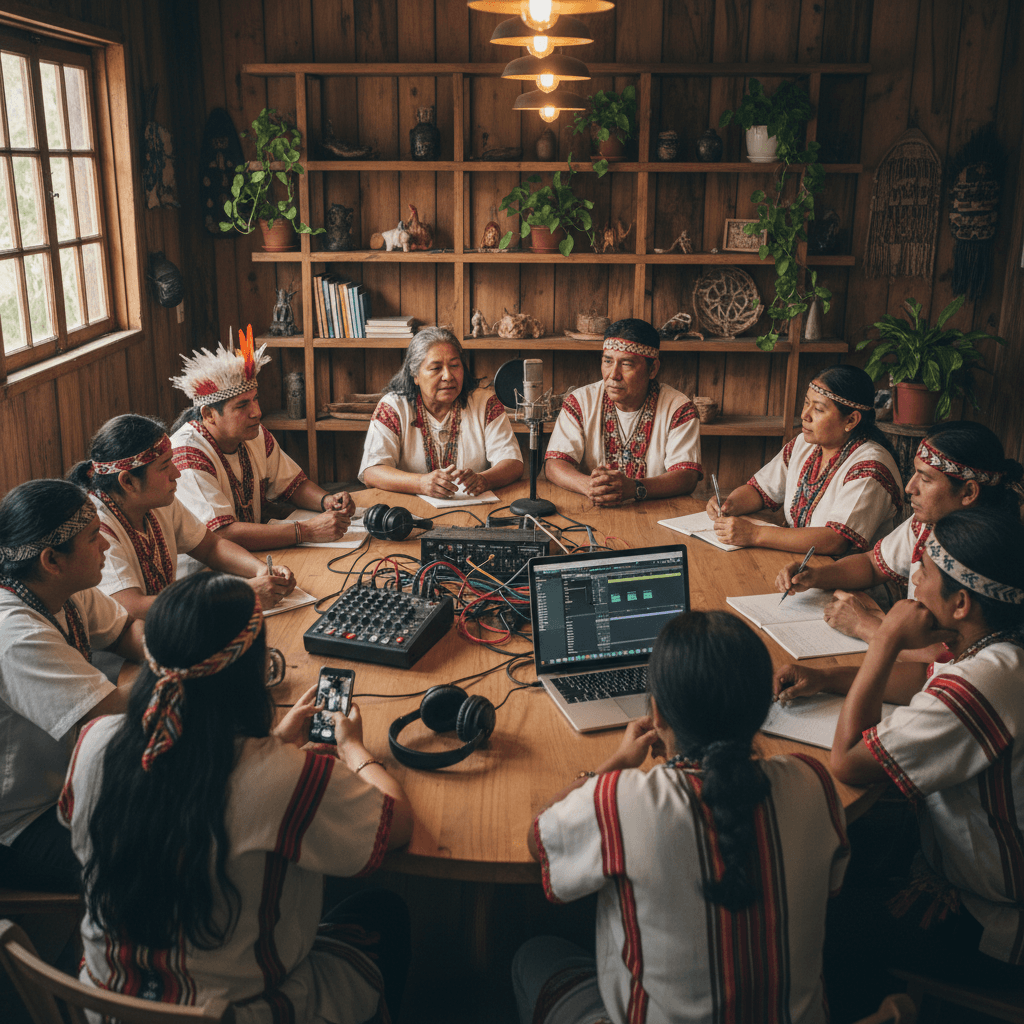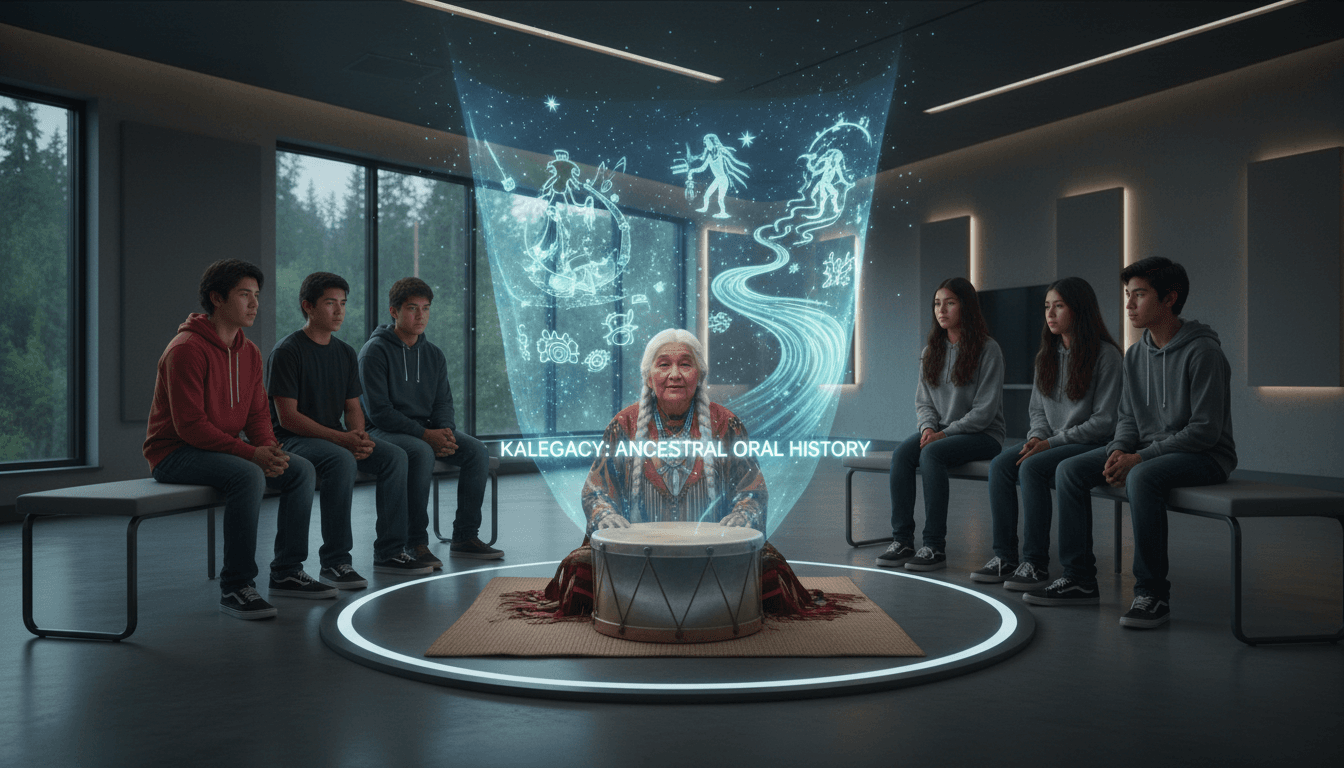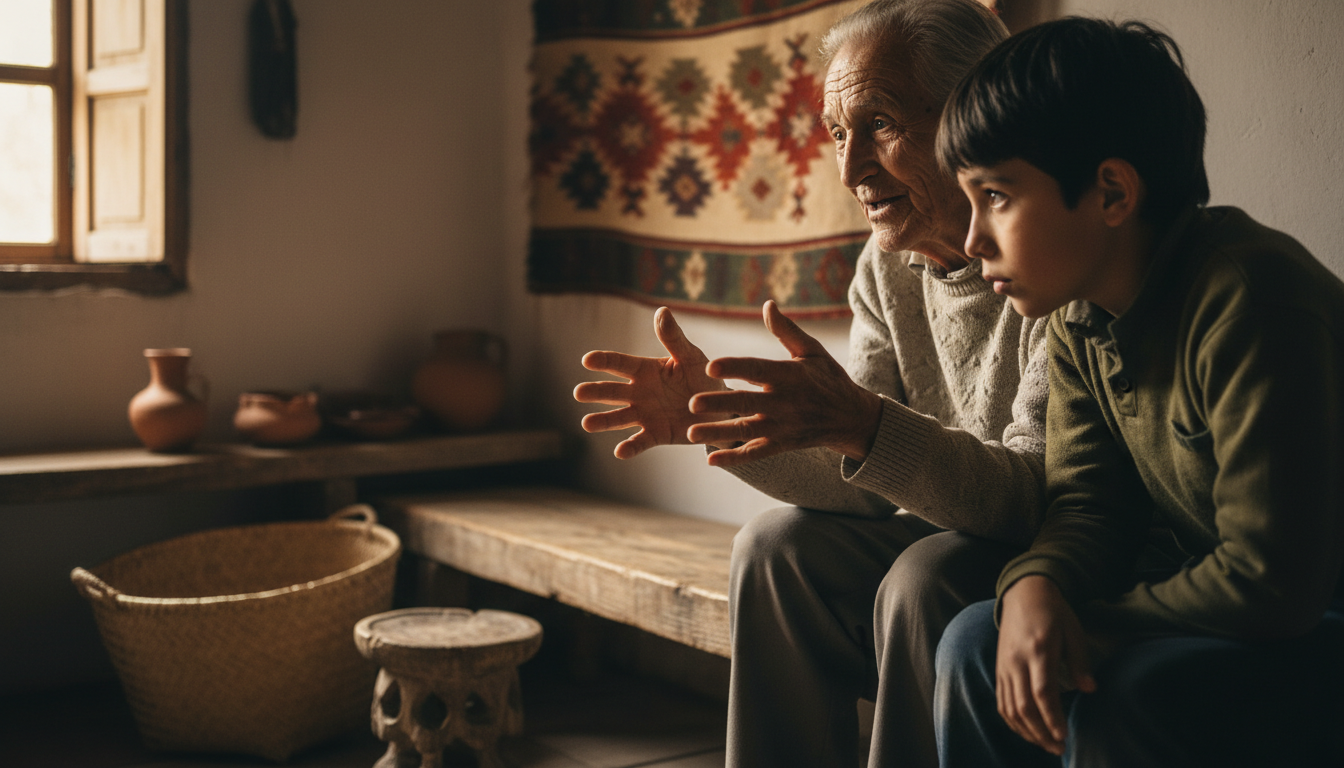
Oral history as a knowledge system serves as a primary, sophisticated framework for preserving scientific data and social values within Indigenous communities. Rather than acting as a secondary backup to written records, these oral traditions provide a living foundation for cultural identity and collective memory that connects the past to the present. This methodology offers a comprehensive way of understanding the world that remains valid and complete independently of Western academic validation.
Many heritage professionals and researchers struggle with the perception that oral histories are merely supplemental anecdotes; this view often leads to the erasure of vital data that written archives simply cannot capture. Treating indigenous storytelling as a secondary record is not just a cultural oversight; it is a failure to recognize a sophisticated, high-precision knowledge system that has sustained communities for millennia. This post explores why we must shift our perspective from viewing oral traditions as folklore to recognizing them as structured mnemonic engines. You will learn how these living records outperform modern predictive models in indigenous science, the role of digital tools in asserting cultural sovereignty, and how Kalegacy is building an AI bridge to integrate these vital systems into the global knowledge economy through micro-certifications.
Redefining the Archive: Why Oral History is Not a Second Class Record
Western academic frameworks often categorize oral traditions as a pre-literate phase, a temporary bridge existing only until a pen hits paper. This view fundamentally misunderstands the nature of data. For the indigenous communities we partner with, oral history as a knowledge system is the primary, most accurate, and most rigorous repository of information. It is not a placeholder; it is the master record.
Unlike static text that can be misinterpreted over centuries without context, oral records are living archives. They are maintained through communal verification and specific protocols that ensure data integrity. At Kalegacy, we view these narratives as the source code of human survival. They are not mere folklore or bedtime stories. Instead, they contain thousands of years of empirical observations on ecology, medicine, and social governance.
In many cultures, elders act as mnemonic pegs, contributing specialized pieces to a collective database that is cross-referenced by the community. By exploring how we use AI and machine learning, we aim to uphold the sovereignty of these records, treating them with the same legal and intellectual weight as a signed deed or a scientific journal. They represent the original EdTech innovation for indigenous preservation, designed to endure through active transmission long after physical records decay.
The Mnemonic Engine: How Oral Traditions Store Complex Data
To understand oral tradition is to understand a sophisticated architecture of memory. It functions as a decentralized data storage network where knowledge is distributed across mnemonic pegs. As documented in UBC research, elders act as specialized nodes within a collective database. During communal storytelling circles, these nodes cross-reference their data; if one person's account diverges from the established record, the collective corrects it, maintaining a high level of data integrity. This communal verification is why oral history as a knowledge system remains remarkably stable over thousands of years.
This architecture utilizes specific linguistic and physical protocols to prevent data corruption. Storytelling employs rhythm, repetition, and melodic structures that function as error-correction codes. When a history is sung or chanted, a missing syllable or a broken meter serves as an immediate alert to data loss. Furthermore, the landscape itself acts as an external drive. Specific mountains, rivers, or rock formations serve as visual triggers for historical events or ecological laws, anchoring information to the permanent environment.
For tech-savvy observers, this mirrors the principles of modern decentralized storage. It relies on consensus and redundancy rather than a single point of failure. At Kalegacy, our work on how we use AI and machine learning is designed to recognize these mnemonic patterns. We are developing the tools to map these structures, ensuring that this EdTech innovation for indigenous preservation translates the complexity of the oral record into formats that remain accessible to digital natives without stripping away its inherent verification methods.
Indigenous Science: When Storytelling Predicts Reality Better than Models
Modern scientific models often struggle with high-resolution, long-term environmental data because they rely on relatively short windows of recorded history. In contrast, oral history as a knowledge system provides centuries of empirical observations that are frequently more accurate than modern simulations. This "Indigenous Science" is not merely anecdotal; it is a rigorous method of recording environmental shifts through a narrative framework that resists the data decay often found in physical records.
Consider the Smithsonian-documented case of "firehawks" in Northern Australia. For millennia, Indigenous groups observed kites and falcons intentionally picking up burning sticks to spread wildfires, flushing out prey. Western ornithology dismissed these accounts as folklore until 2017, when researchers finally observed the behavior. Similar precision exists in the Philippine context. Traditional Kaingin (swidden farming) cycles are often vilified as destructive by modern policy, yet the oral traditions governing them involve complex observations of forest regeneration, soil health, and avian migration. These stories serve as ecological manuals, dictating exactly when to plant or fallow based on the flowering of specific trees or the behavior of local wildlife.
These narratives function as encoded ecological data. A story about a specific tide or the appearance of a constellation is a predictive model for monsoon patterns and fish spawning cycles. While Western climatology relies on roughly a century of recorded data in the archipelago, Indigenous records offer a multi-generational baseline. This is why our EdTech innovation for indigenous preservation focuses on treating these records as empirical sources. By recognizing the data within the story, we can apply how we use AI and machine learning to identify biological markers that modern sensors might miss.
The empirical value of this knowledge extends to biodiversity conservation and climate adaptation. When a community tells a story about the behavior of a river, they are often describing a historical flood cycle that modern urban planning has ignored. By digitizing these insights, we ensure that micro-certifications for cultural knowledge recognize the elder not just as a narrator, but as a biological consultant with an unparalleled dataset.
The Philippine Landscape: Orality as a Tool for Sovereignty
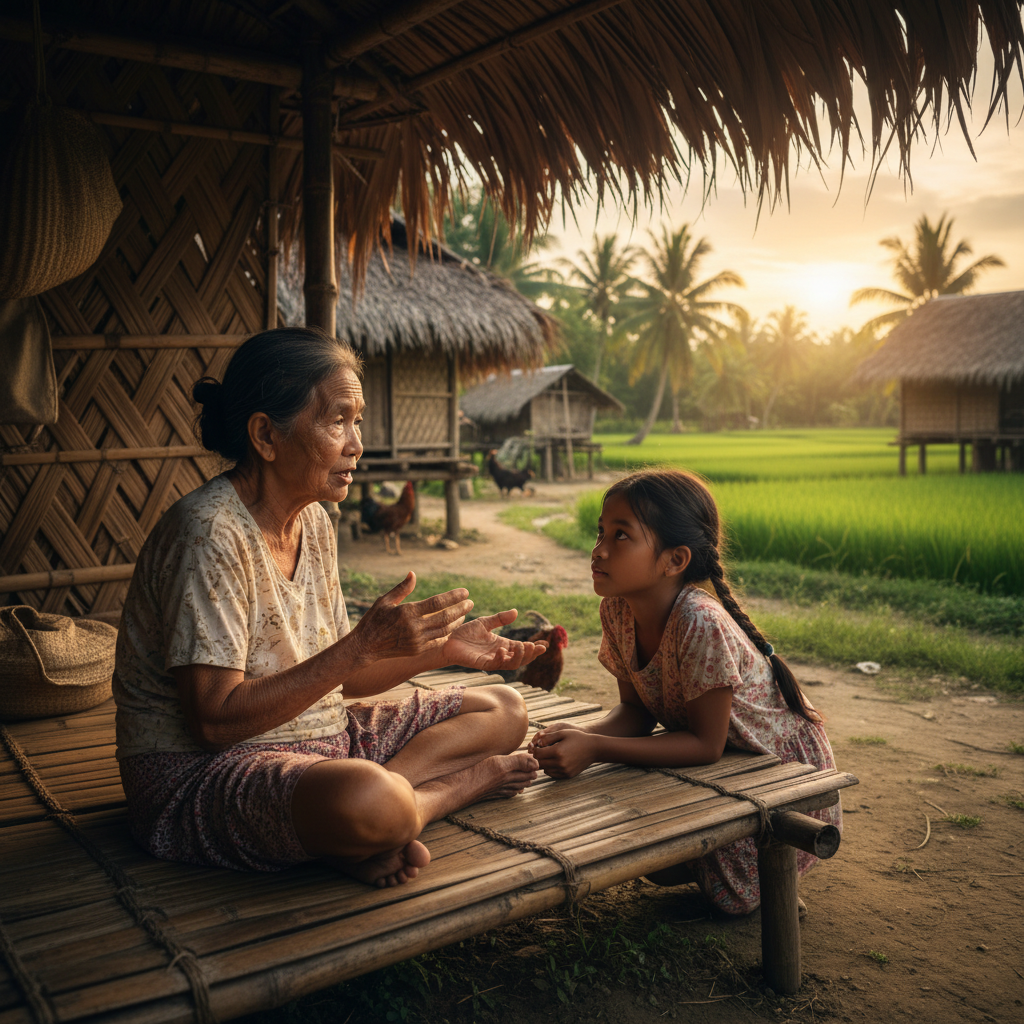
In the Philippine archipelago, the preservation of oral records is a matter of immediate political and social survival. For indigenous peoples (IPs), oral history as a knowledge system serves as the primary legal and historical framework for asserting rights over ancestral domains. This is not a theoretical exercise; in regions like the Cordillera or the Pantaron Range, oral traditions provide the foundational evidence used to resist encroachment from large scale development projects, such as dams or mining operations, that threaten traditional lands.
Under the Indigenous Peoples’ Rights Act (IPRA), proving ownership from time immemorial requires documenting historical occupation and land use. When written titles are absent, the genealogical chants and boundary markers embedded in story become critical legal assets. Orality functions as a living deed. By documenting these narratives, communities can provide empirical evidence in rights and title cases that the Philippine legal system increasingly recognizes. This EdTech innovation for indigenous preservation is therefore a tool for sovereignty, transforming spoken memories into durable records that can withstand the pressures of cultural erasure.
The urgency of this work is underscored by the rapid loss of indigenous languages. In the Philippines, displacement and forced assimilation threaten to break the transmission of these master records. When a language vanishes, the specific ecological and legal data it contains disappears too. At Kalegacy, we recognize that how we use AI and machine learning must prioritize the integrity of these sovereign records. By creating micro-certifications for cultural knowledge, we provide communities with the digital tools to codify their own history on their own terms, ensuring that their legacy is not just remembered, but legally and socially recognized.
The AI Bridge: How Kalegacy Digitizes Living Histories
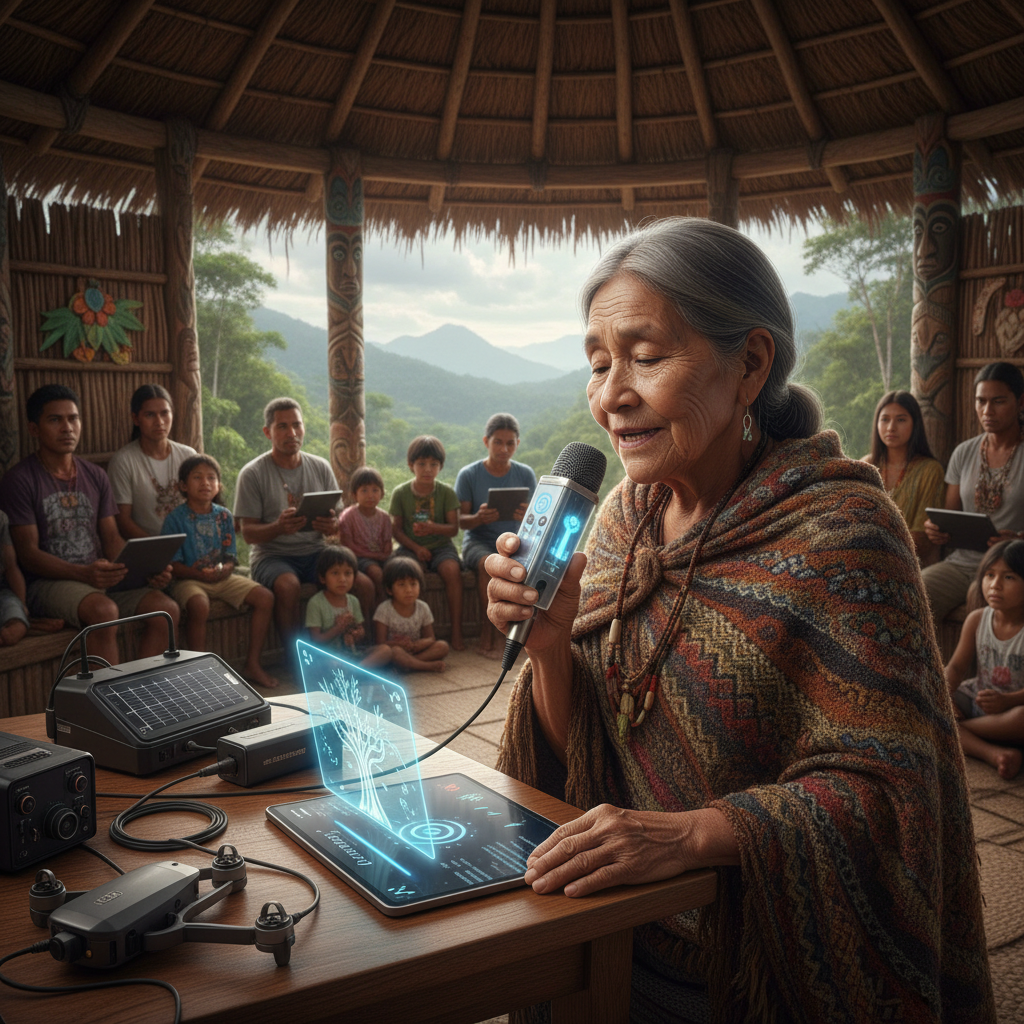
Kalegacy addresses the gap between ancestral wisdom and digital formats by using advanced algorithms to process complex narratives. Through how we use AI and machine learning, we transform unstructured audio and visual records into searchable, structured knowledge bases. Unlike standard transcription tools that strip away context, our models are designed to recognize the specific rhythmic, melodic, and mnemonic patterns essential to oral history as a knowledge system. This ensures that the linguistic nuances and data integrity of the original transmission remain intact during the digitization process.
This technology serves as an infrastructure for sovereignty rather than a replacement for human connection. By digitizing these records, we facilitate strict community ownership, where indigenous groups maintain control over their intellectual property and decide how their data is accessed. The objective is not to substitute the elder with an algorithm; instead, we aim to amplify the elder’s reach. This EdTech innovation for indigenous preservation creates a bridge, allowing digital-native generations to engage with their heritage through the interfaces they use daily. By converting spoken truth into verifiable digital assets, we lay the groundwork for micro-certifications for cultural knowledge, turning ancestral wisdom into recognized expertise within a globalized economy.
Beyond Folkloristics: Integrating Storytelling into Core Curriculum
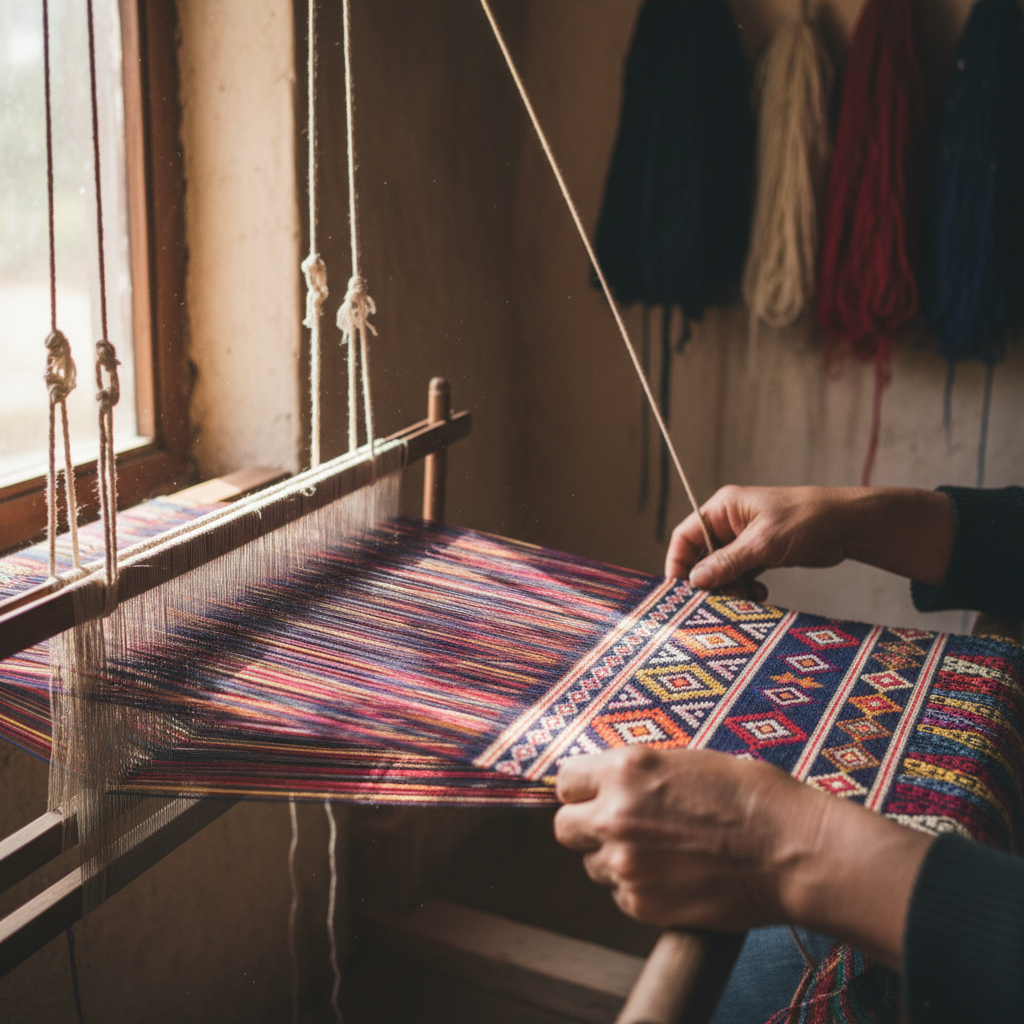
Transforming digitized records into active classroom tools requires moving past the folkloric label that often dismisses indigenous wisdom as mere fiction. When treated as oral history as a knowledge system, these narratives function as rigorous pedagogy across all core subjects. In Mathematics, the complex geometry found in traditional weaving patterns or the precise calculations required for celestial navigation provide practical applications for spatial reasoning and trigonometry. Science curricula can utilize indigenous narratives about plant life cycles and seasonal migration as empirical biology and ecology lessons, rather than treating them as metaphors or myths.
Our EdTech innovation for indigenous preservation streamlines this integration by mapping digitized stories to specific learning competencies. Using how we use AI and machine learning, Kalegacy tags oral records with relevant metadata, allowing teachers in the Philippines to search for indigenous insights that align with national curriculum standards. This systematic approach ensures students view their heritage as a sophisticated framework for understanding the modern world, which serves as a prerequisite for earning micro-certifications for cultural knowledge.
Economic Empowerment Through Micro-Certifications
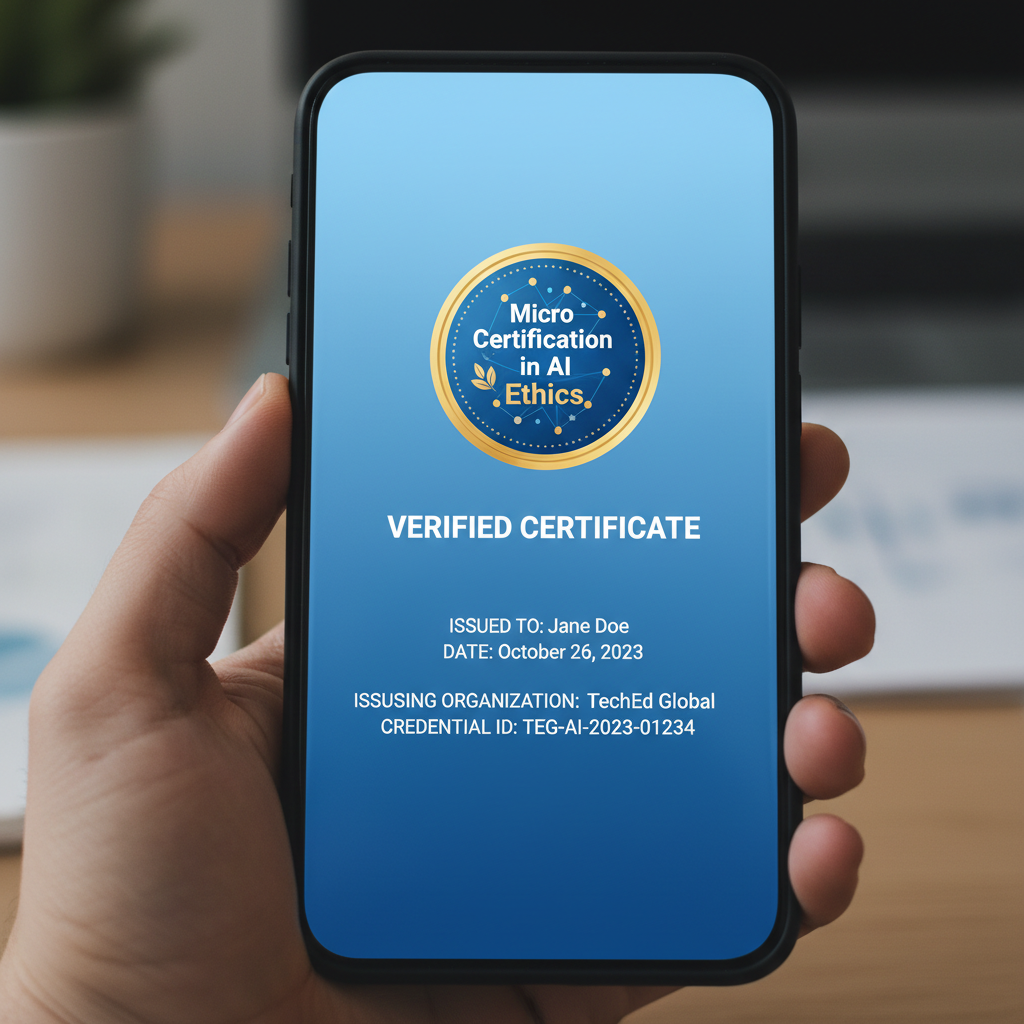
Integrating these histories into education is only the first step; the next is ensuring this mastery translates into tangible economic agency. The historical exclusion of indigenous wisdom from formal economies often stems from a failure to recognize oral history as a knowledge system with measurable commercial value. Kalegacy bridges this gap by enabling communities to monetize their intellectual property through micro-certifications for cultural knowledge.
This system transforms a master weaver’s complex geometry or an elder’s pharmacological expertise into a verified digital asset. By documenting these skills through how we use AI and machine learning, we create a standardized record of proficiency recognized by global industry partners. Our platform treats storytelling as a professional skill rather than a hobby. An elder specializing in traditional medicine can be validated as a biological consultant, while a master of oral genealogy acts as a paid legal historian. This EdTech innovation for indigenous preservation ensures that cultural survival is supported by sustainable economic sovereignty.