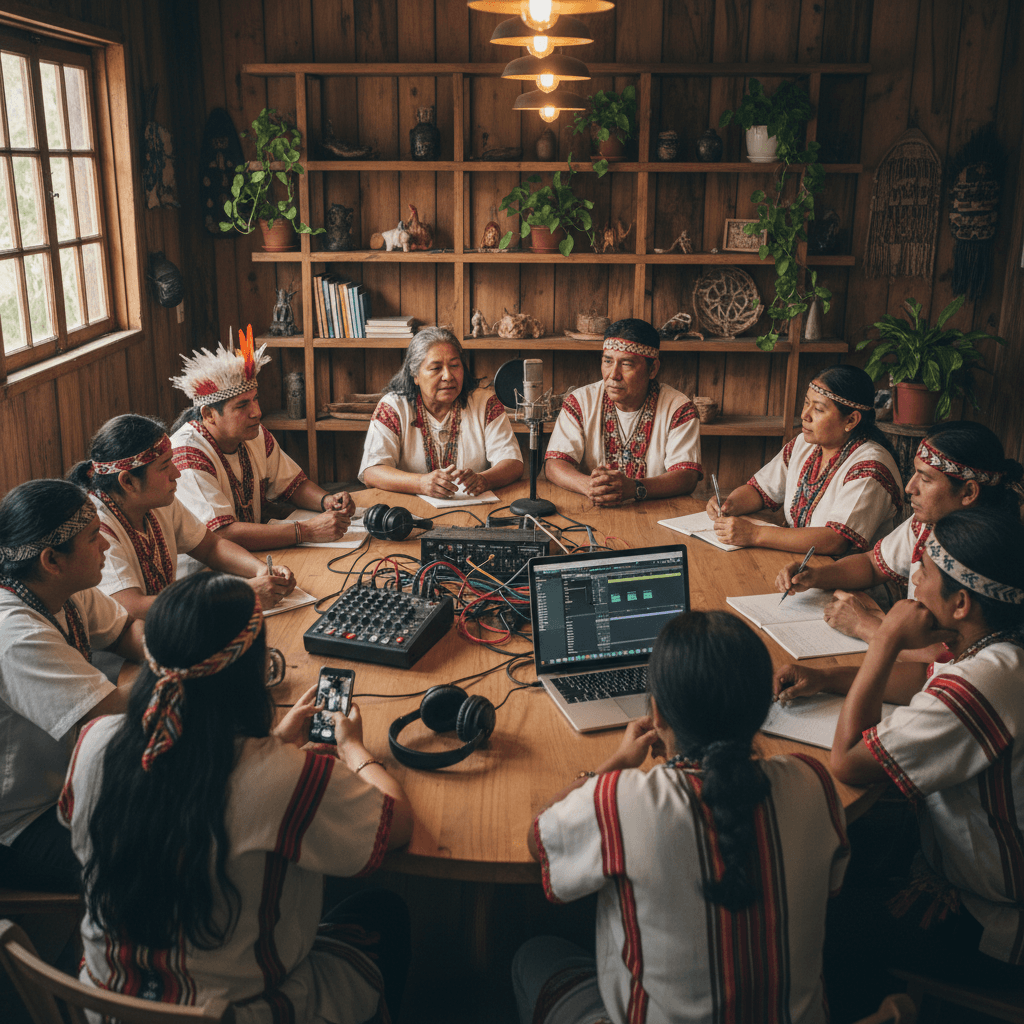
Ancestral wisdom is owned by the indigenous communities that hold it; these groups can legally safeguard their heritage by framing indigenous knowledge as intellectual property within international treaties. Protection is achieved through documentation to prevent unauthorized patents and the enforcement of mandatory disclosure requirements that ensure communities receive a fair share of benefits from their genetic resources.
For many indigenous communities and cultural stewards, the line between sharing heritage and facing exploitation is dangerously thin. Traditional intellectual property laws often fail because they favor individual ownership over collective wisdom, leaving ancestral practices vulnerable to biopiracy and unauthorized commercialization. This systemic gap creates a significant risk for those seeking to preserve their legacy while navigating a globalized market. In this guide, we examine the critical shift toward indigenous data sovereignty and the legal protections offered by frameworks like the Philippine RA 8371 and the 2024 WIPO Treaty. You will learn practical strategies to safeguard genetic resources, understand the role of micro certifications in monetizing heritage ethically, and discover how to leverage technology to ensure that the wealth of the past remains firmly in the hands of the next generation.
The Conflict Between Western Legal Frameworks and Ancestral Wisdom
The global legal landscape remains largely incompatible with the structures that govern ancestral wisdom. Western intellectual property (IP) frameworks are fundamentally individualistic; they reward a single inventor or author with exclusive rights for a limited duration. In contrast, indigenous knowledge is a collective asset, held by the community and passed down through generations. This creates a systemic vulnerability where indigenous knowledge as intellectual property is often unrecognized by standard copyright and patent offices.
According to research from Duke Law, traditional IP systems fail because they treat knowledge as something that eventually enters the public domain once a patent or copyright expires. For indigenous communities, knowledge of medicinal plants or weaving patterns is often sacred and eternal; it does not expire. When these systems are forced together, the result is frequently biopiracy or cultural appropriation. Corporations can take community held insights, tweak them slightly, and claim a patent, while the original custodians lose control over their heritage.
This friction underscores why we must rethink legal protections to support about our mission to prevent cultural erasure. While Article 31 of the UN Declaration on the Rights of Indigenous Peoples (UNDRIP) affirms the right of communities to control their cultural heritage, the practical application remains a challenge in a world built on commercial competition. Without specific safeguards, the very laws designed to protect innovation can become tools for exploiting ancient wisdom.
Understanding RA 8371: The Philippine Framework for Protecting Indigenous Rights
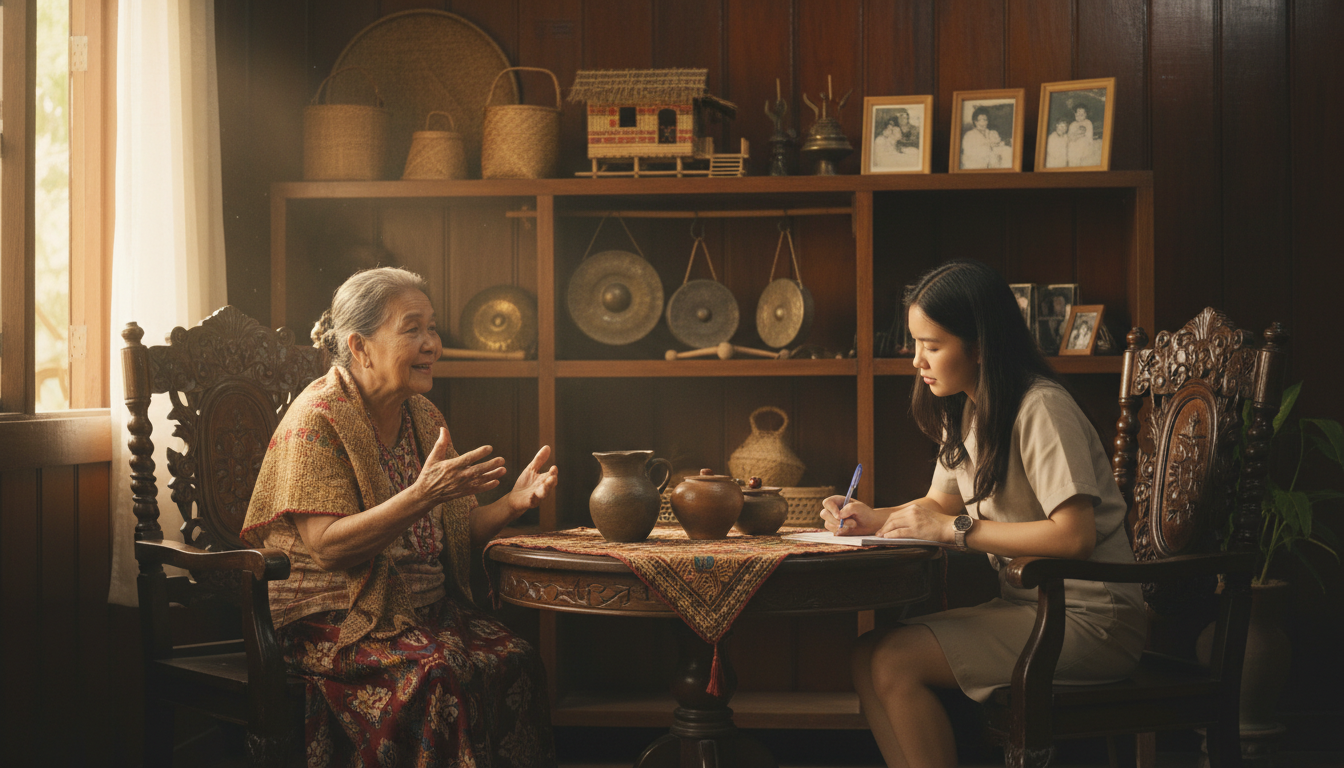
While global systems struggle to reconcile these differences, the Philippines established a clear legislative precedent through Republic Act No. 8371, or the Indigenous Peoples’ Rights Act (IPRA) of 1997. This law positions the Philippines as a pioneer in the legal recognition of indigenous knowledge as intellectual property. Unlike many international frameworks that view indigenous culture solely through a lens of folklore or heritage, IPRA grants Indigenous Cultural Communities (ICCs) full ownership and control over their sciences, technologies, and cultural manifestations.
Specifically, Section 34 of the act empowers communities to protect their intellectual property rights. This includes everything from traditional medicines and genetic resources to designs, arts, and oral traditions. The National Commission on Indigenous Peoples (NCIP) serves as the primary mechanism for upholding these rights, ensuring that any research, documentation, or commercialization involving indigenous knowledge requires Free, Prior, and Informed Consent (FPIC). This bureaucratic layer acts as a vital safeguard against the unauthorized exploitation of community assets.
By codifying these protections, RA 8371 creates a framework where communities are not just passive subjects of study but active owners of their intellectual assets. This legal foundation is fundamental to about our mission to prevent cultural erasure, as it ensures that the digitization of heritage remains firmly under the authority of the original custodians. For technology initiatives in the Philippines, understanding the NCIP’s regulatory role is essential for navigating the ethical and legal boundaries of documenting ancestral wisdom.
The 2024 WIPO Treaty: A Global Milestone for Genetic Resources and Traditional Knowledge
The local protections offered by RA 8371 are now bolstered by a landmark shift in international policy. On May 24, 2024, the World Intellectual Property Organization (WIPO) adopted a historic treaty addressing the interface between intellectual property, genetic resources, and traditional knowledge. This treaty represents the first time international law has mandated transparency regarding the origins of community held assets.
Central to the treaty is a mandatory patent disclosure requirement. If a patent applicant bases an invention on genetic resources or associated traditional knowledge, they are legally required to disclose the country of origin or the specific indigenous community that provided the information. This mechanism directly targets biopiracy by creating a verifiable paper trail; it prevents corporations from claiming ownership over ancestral wisdom without acknowledgment or consent.
For communities managing their heritage, this global milestone changes the landscape of indigenous knowledge as intellectual property. It forces a transition from passive exploitation to structured benefit sharing. By requiring applicants to name their sources, the treaty provides a legal hook for communities to demand fair compensation. This international progress reinforces the need for rigorous digital documentation, supporting about our mission to prevent cultural erasure by ensuring that every digital record serves as definitive proof of origin in the global patent system.
What is Indigenous Data Sovereignty and Why It Matters in the Digital Age
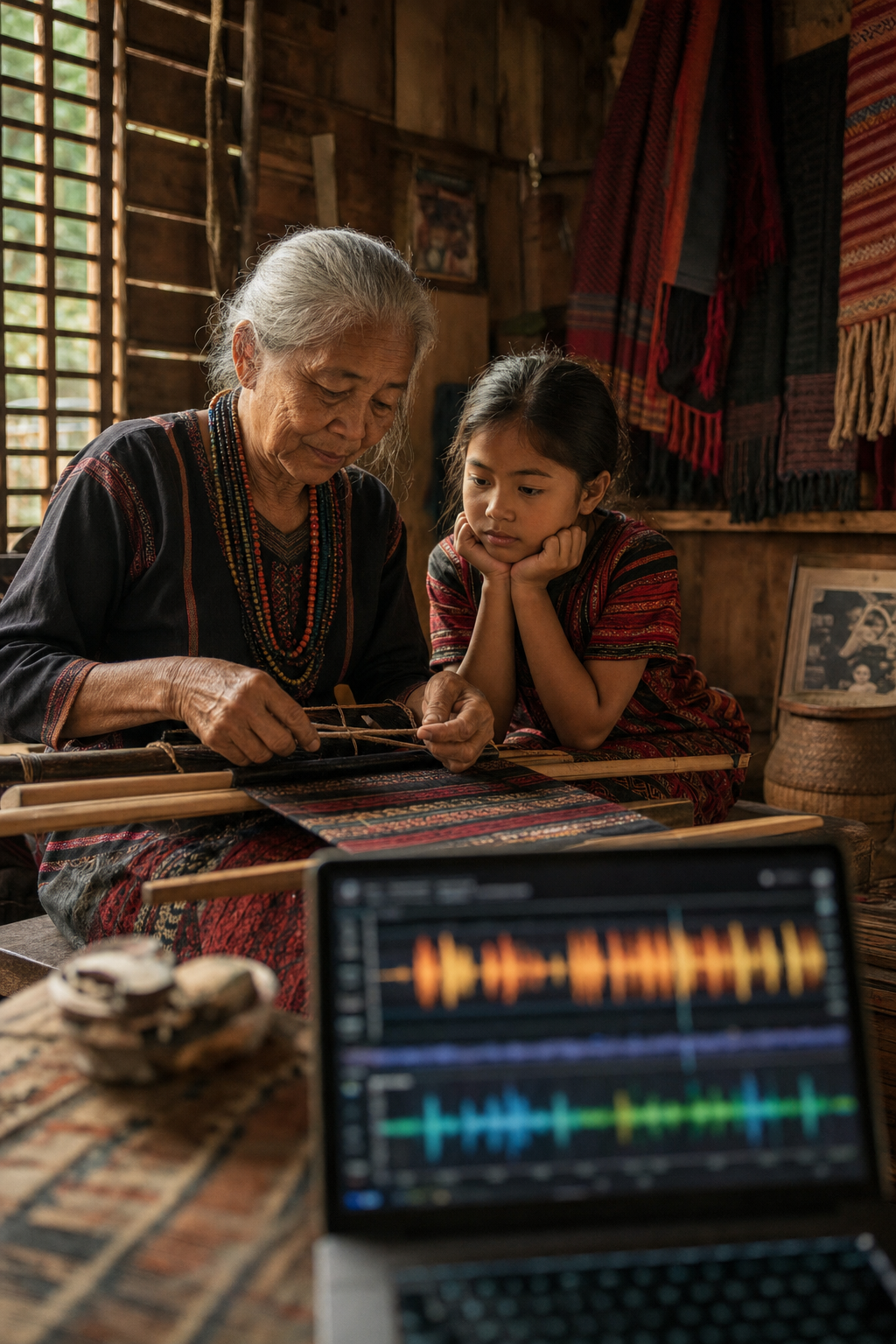
Indigenous Data Sovereignty (IDSov) represents a fundamental shift from passive protection to active governance. It is defined as the inherent right of Indigenous Peoples to control the collection, ownership, and application of data that reflects their lives, territories, and traditions. In the digital age, this sovereignty is increasingly threatened by digital colonialism, a process where external entities harvest indigenous languages and oral histories to train generative AI and machine learning models. Often, this occurs without community consent, resulting in the commercialization of sacred knowledge while the original custodians are excluded from the benefits.
This extractive practice incorrectly treats indigenous knowledge as intellectual property that is part of the public domain. In contrast, IDSov asserts that data is an extension of the community itself. By ensuring that ICCs maintain jurisdiction over their digital footprints, we combat the loss of context that happens when cultural assets are fed into automated algorithms. At Kalegacy, about our mission to prevent cultural erasure is built on the principle that digitization should empower rather than displace. By prioritizing indigenous languages preservation through secure, community-governed frameworks, we ensure that digitized legacies remain under ancestral authority, providing a practical barrier against the unauthorized exploitation of local wisdom by global technology interests.
Practical Strategies for Protecting Indigenous Knowledge from Biopiracy
Securing data sovereignty requires transitioning from reactive legal defense to proactive structural safeguards. While legal battles often occur only after a violation has been detected, communities can mitigate risk by implementing specific operational strategies. These methods transform the abstract concept of indigenous knowledge as intellectual property into enforceable local governance.
First, documentation and the creation of digital libraries are essential. The World Bank emphasizes that formalizing traditional knowledge through written or digital records provides a critical defensive layer. By establishing a searchable record, communities create prior art, which can be used to legally challenge and invalidate patent applications filed by external entities attempting to claim exclusive rights over community practices. This systematic recording is central to about our mission to prevent cultural erasure.
Second, the establishment of Community Protocols provides a clear regulatory framework for external engagement. These protocols outline the specific rules, ethics, and conditions under which outsiders may access or study indigenous heritage. By setting these terms in advance, communities shift the power dynamic from passive participation to active gatekeeping.
Third, Benefit-Sharing Agreements ensure that any commercial application of traditional wisdom results in tangible returns for the original custodians. These contracts can include:
Strategy Component | Purpose |
|---|---|
Monetary Compensation | Direct royalty payments or licensing fees for commercial use. |
Capacity Building | Training, infrastructure, or indigenous languages preservation support. |
IP Co-ownership | Shared legal rights to any resulting innovations or products. |
Unlike lengthy litigation, these proactive tools establish ownership before exploitation occurs. They ensure that heritage remains a community asset rather than a corporate commodity, providing the necessary groundwork for future micro-certifications for indigenous knowledge.
Using Technology to Monetize and Protect Heritage Through Micro Certifications

Modernizing the defense of indigenous knowledge as intellectual property requires shifting from physical archives to intelligent digital systems. By utilizing AI and machine learning to process oral histories, communities create a form of defensive publication. This serves as undeniable proof of prior art in global patent databases. If a researcher attempts to patent a traditional weaving technique or a specific medicinal application, the digital records managed by Kalegacy act as timestamped evidence of communal ownership, effectively blocking unauthorized claims before they take root.
Beyond protection, technology enables ethical monetization through micro-certifications for indigenous knowledge. These digital credentials allow community members to verify their mastery of specific cultural domains, from linguistic nuance to ancestral agricultural practices. By formalizing this expertise, communities can license their intellectual property for educational or commercial use on their own terms. This process transforms intangible heritage into a tangible economic asset without sacrificing cultural integrity.
This system does more than store data; it integrates indigenous languages preservation directly into modern curriculum designs. By mapping traditional wisdom to core academic subjects, we ensure that cultural legacies are not siloed but are instead active components of a student's daily education. This approach, central to about our mission to prevent cultural erasure, empowers the next generation to see their heritage as both a source of pride and a viable pathway for professional growth.
Securing the Future of Cultural Legacies for the Next Generation
Securing indigenous knowledge as intellectual property is a necessity for cultural survival rather than a mere legal formality. By combining the domestic protections of RA 8371 with the international transparency of the 2024 WIPO Treaty, communities gain the leverage required to defend their heritage. Technology acts as the vital bridge in this process. AI driven digital archives transform oral traditions into verifiable prior art, while micro-certifications for indigenous knowledge provide a clear pathway for economic autonomy.
This strategic alignment of law and innovation ensures that indigenous languages preservation is a proactive assertion of ownership. These tools empower Indigenous Cultural Communities to transition from being vulnerable subjects of study to becoming recognized, compensated owners of their intellectual assets. Such a shift is central to about our mission to prevent cultural erasure, ensuring that ancestral wisdom remains a living, protected asset for the next generation.
Protecting indigenous knowledge is about more than legal filings; it is about honoring the wisdom of ancestors and ensuring future generations maintain control over their cultural heritage. While communities can take many steps independently, navigating the intersection of international intellectual property laws and traditional customs often requires a specialized approach. If you want expert help in establishing these safeguards for your community or organization, please visit our About page. We are dedicated to ensuring that your ancestral legacy remains protected and respected on your own terms.